



Ultimate Countertop Guide: What’s Worth it & What’s a WASTE
It is inspired by the professional opinion of such popular videos like Built By Becker, updated with the current 2026 trends of industry reports (such as the NKBA 2026 Kitchen Trends Report), the forecast of the designers, and actual performance data. With the transition of kitchens to sustainable, low-maintenance luxury with organic coziness, the selection of the countertop is more than ever before. One bad decision may result in costly maintenance, early replacement, or an out-of-fashion appearance- whereas the correct decision will provide decades of beauty and service.
By 2026, residential clients want to see materials that are aesthetically-focused, durable, and convenient. Quartz is still king (78% of designers prefer it according to NKBA), and quartzite is riding high like the natural winner. Porcelain gains because of its versatility, and traditional options such as granite are revisited with veins. Marble? Never still cheap, but usually high-classical and high-maintenance remorse in the hard-working kitchens. This expanded guide goes a little further into all the advantages and disadvantages of each material, their prices (averages per square foot installed updated), countertop trends, experiences of actual users, comparison, and useful tips to assist you in making a decision over what really warrants your investment.
Quartz: The Unrivaled Modern Workhorse (Highly Recommended – Top Overall Pick)
In 2026, engineered quartz (usually 93% natural quartz aggregates assembled with polymer resin) remains in the kitchens of every major nation all over the world. Its non-porous surface does away with hassles of sealing, is resistant to bacteria and is able to cope with day-to-day life easily.
Detailed Pros:
- Santorini Honed: Soft, neutral with the slight movement- nice in spaces with minimalism.
- Statuario (or Statuario Azzurro): White vein with a dramatic effect, with elegance.
- Augusta Bay: Grays with exposed surfaces that are highly corrugated to create a natural impression of quartzite.
- Bellopetra: Grounded organic kitchens.
- Prices: $50-120/Sq ft installed (midrange 70-90). Rating: Value of 90 percent of homeowners. It has the most promising ROI- beautiful but without the drama, the resale would be high, and save time and stress.
- (Assume a smooth kitchen-island, in Augusta Bay quartz, a ripple of soothing gray running all over the surface–uncluttered, time-honored and warm)
- Porcelain Slabs: the rising impossible-to-miss product (Best Value and Outdoor-choice)
- By 2026, large-format porcelain (sintered stone, such as Dekton or Neolith) was going to go viral, due to its strength and the fact that it can imitate high-end stones at a low price.
Cons and Mitigations:
- High quality: Heatproof (up to 1200degF and above), scratchproof, stainproof, UV protective- fit outdoors in kitchen, barbecue, or sunniest areas.
- Ultra-durable: Non-porous, frost-resistant, is used to produce a wall or floor cladding, showers, or a full height backsplash.
- Regularity and magnitude: Bookmatch designs in seamless designs; huge slabs (8 to 126 x 64), diminishing joints.
- Golden affordability: Alternatively, what is perceived as 30-50 percent luxury installations in other textures, such as quartzite or marble.
- Green business: They are made of recycled materials and have low VOCs.
Popular 2026 picks from brands like Pompeii Quartz include:
- Santorini Honed: Soft, neutral with the slight movement- nice in spaces with minimalism.
- Statuario (or Statuario Azzurro): White vein with a dramatic effect, with elegance.
- Augusta Bay: Grays with exposed surfaces that are highly corrugated to create a natural impression of quartzite.
- Bellopetra: Grounded organic kitchens.
- Prices: $50-120/Sq ft installed (midrange 70-90). Rating: Value of 90 percent of homeowners. It has the most promising ROI- beautiful but without the drama, the resale would be high, and save time and stress.
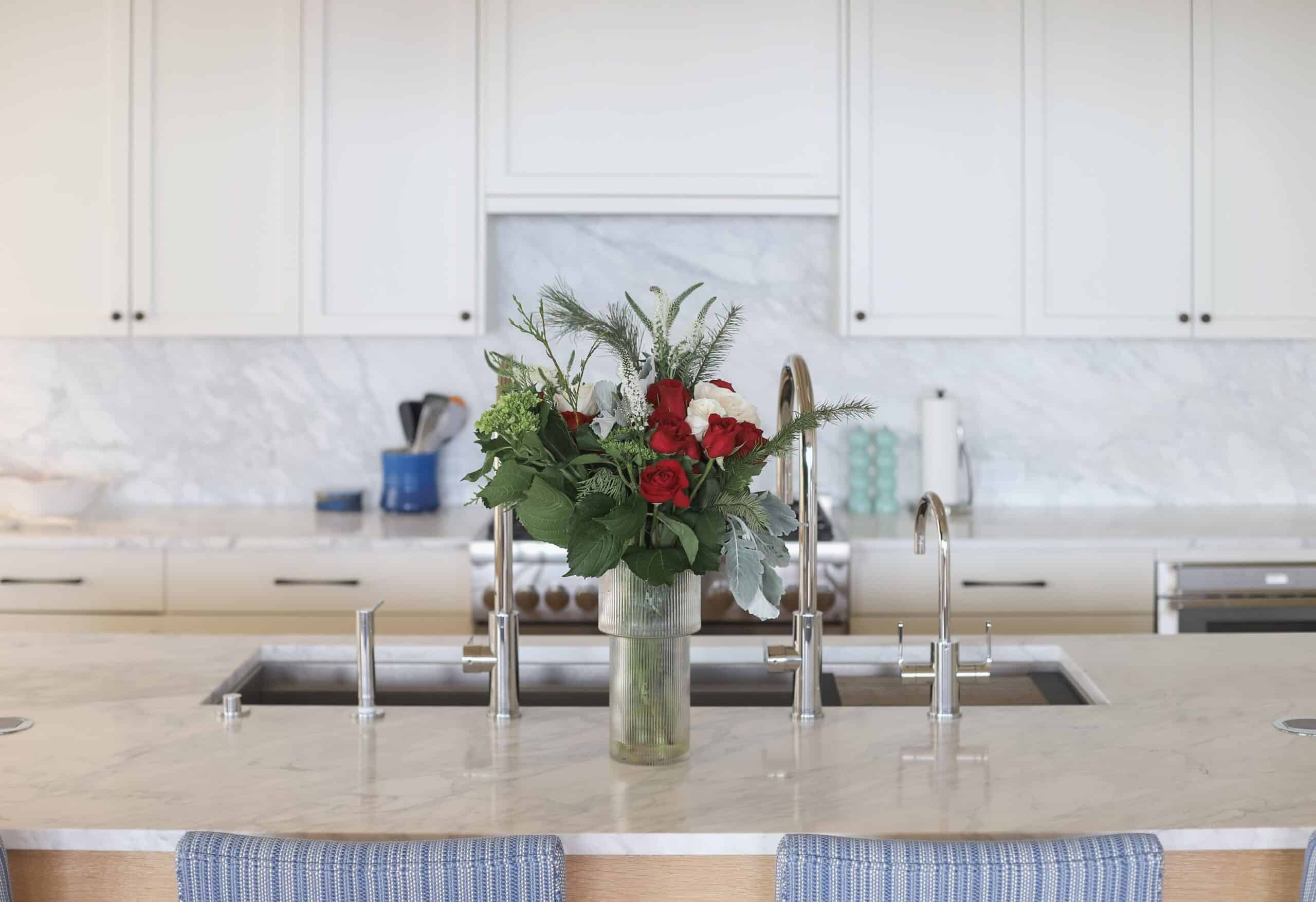
(Assume a smooth kitchen-island, in Augusta Bay quartz, a ripple of soothing gray running all over the surface–uncluttered, time-honored and warm)
Porcelain Slabs: The Rising Versatile Star (Best Value & Outdoor Pick)
By 2026, large-format porcelain (sintered stone, such as Dekton or Neolith) was going to go viral, due to its strength and the fact that it can imitate high-end stones at a low price.
Detailed Pros:
- Superior resistance: Heat-proof (up to 1,200°F+), scratch-proof, stain-proof, UV-resistant—ideal for outdoor kitchens, BBQs, or sunny spaces.
- Ultra-durable: Non-porous, frost-resistant, perfect for cladding walls, floors, showers, or full-height backsplashes.
- Consistency and scale: Bookmatch patterns for seamless designs; large slabs (up to 126″ x 64″) reduce seams.
- Cost-effective luxury: Often 30–50% less than comparable quartzite or marble looks.
- Eco-edge: Many use recycled materials; low VOCs.
Cons:
- Patterns may be repeated (not as one of a kind, as in natural stone).
- Large/thin pieces need skill so as not to crack.
- Thicker slabs would require good support.
The 2026 trends include porcelain to be used in integrated sinks and full-slab backsplashes. Ratings: Worth- It- 0wey, moreso not old, congested or multi-ajumbo houses. High quality at reasonable prices, in case you want high quality performance but at lower prices.
Quartzite: Natural Luxury with Granite-Level Toughness (Rising Natural Favorite)
The star of 2026 has been the metamorphism of sandstone that has become true quartzite, as it can only be created when the sandstone is exposed to a lot of heat and pressure. It is an ideal solution for high-use kitchens, fitting between the dreamy veining of the marble and the bulletproof performance of the granite. More than 60% of designers (according to NKBA surveys) forecast a significant boom, which will be motivated by the desire to have a natural, organic appearance without always worrying.
Expanded Pros:
- Unbelievable toughness: Mohs hardness of 7+, which indicates that it is impervious to scratches made with knives, hot pots (in direct heat, it never burns), and hard blows, at least like most natural materials.
- Aesthetic diversity: Soft and flowing veining to warm neutrals (creamy beige with the slight kiss of gold/ gray in the Taj Mahal), cool blues/green (Azul Macaubas of Brazil), or bold designs can be expected. Laminated or leathered finishes are also becoming more popular than high-polish because they have a more modern and softer feel.
- Exclusive narration: Being a natural slab, no two are the same; veins and fossils or slight variations of color and character give added character and benziteness.
- Kitchen prestige over marble: It can be etched much less by lemon juice, wine, or tomatoes with that cool, luxurious finish.
Expanded Cons:
Maintenance required: Seal every 1-2 years: discover how often necessary, as opposed to marble (because of lower porosity), but with water training, seal does it bead, it works fine.
Slab inconsistency: Slow and drastic variation between pieces implies that in-store shopping (also known as slab shopping) will be essential in this case; what seems ideal on one slab will not be perceived similarly by you.
Premium pricing: Exotic or rare slabs cannot be installed as cheaply (80-150 or more per normally installed sq ft).
Taj Mahal (neutral, tough, warm and marble-like) and Fontainebleau are the favorites of 2026 (dramatic and flowing neutrals). Rating: Definitely worth it to anyone who wants the spirit of natural stone in their high-traffic kitchen- full-sized islands or full-height backsplash. Combine with warm wood or dull black handles to be taken seriously.
Then (suppose here it were a typical quartzite slab: theatrical, sweeps veining in soft neutrals–artificial nature perfect, between the gold motes that play along creating shadow and radiation).
Granite: The Reliable Classic Making a Comeback (Solid Mid-Range Choice)
Granting granite a second life in 2026 with renewed and veined designs that resemble marble or quartzite, granite is no longer in the 2000s (think speckled Uba Tuba) but comes back again with an elegant quality.
Expanded Pros:
- High level of toughness: high level of heat, scratch resistance, impact resistance; lower participants add the mica fines so that the sparkling decoration and presence of the piece is natural under light.
- Vast palette: between cold grays/blues and warm earth-colours; the contemporary choices are dramatic veining (e.g., Nero Mist or Azul Celeste).
- Value entry: Even cheaper natural stone (between 40-80 per sq ft laid in), and a lifespan of over 50 years.
- Reliability: Deals with daily maltreatment unemotionally.
Expanded Cons:
- Sealing routine: They must be sealed after every 1-3 years, depending on the type of porosity.
- Perception change: Speckled versions used in simple forms are old-fashioned, although vein revivals have not only changed that, but designers are reporting a resurgence of polished granite.
- Weight/install: The heavier the slabs, the higher the reinforcement of the cabinets.
Judgment: Great mid-range choice when old school or when the budget means everything. Use veined contemporary types to be on top of things.
Marble: Timeless Elegance, But Often a Kitchen Waste
The embodiment of cool feel and spicy drama (the veining of Carrara is soft gray, the veining of Calacatta Gold is gold/burgundy bang), but 2026 professionals are mostly certain: it is much more at home elsewhere.
Expanded Pros:
- Unique beauty: High-end, luxurious atmosphere; Instagramming more fashionable veins (greens, pinks, violets) to decorate.
- Practical amenities: Of course, a cool surface is the best choice in pastry/dough work.
- Potential to accent: Breathtaking in uncrowded locations.
Expanded Cons:
- High maintenance: very porous -oil, wine, or coffee stain; acid cuts entirely through (removes shine).
- Wear weaknesses: Chips, scratches and wear and tear due to daily usage.
- Follow-up attendance: Vigilant sealing + instant spill cleanup not tolerated in family kitchens.
Verdict: frequently a waste on initial kitchen surfaces, except when it comes to a bathroom, powder room, or bar tops or showcase accents, in which case beauty overrules functionality.
Soapstone: The Velvety, Patina-Loving Niche
An organic favorite with a matte and soft touch feel.
Advantages: This is, of course, a non-porous material after being oiled; very high resistance to heat; grows a deep, dark coating with age (character-building).
Cons: Soft (Mohs 5-6)- liable to scratching/ denting; a lot of oiling; to preserve color restoration and protection.
Verdict: Worth it in case you are fond of lived-in places and you are ready to keep it- fine on islands or prep areas.
Precious/Exotic Stones: Gallery-Level Quality Throws Splurges.
Precious/Exotic Stones: Gallery-Level Splurges
Agate (colored banded patterns), cast fossil wood (fossilized earthly colors) or bespoke and artistic resin.
Advantages: Final exclusiveness, real statement pieces.
Cons: Extremely high prices (100-300 + per sq ft); 6-12 m lead times on sourcing/cutting custom.
Conclusion: Can only be used as a luxury focus point (e.g., one dramatic island).
Additional 2026 Options
- Butcher Block: Cozy, homey wood to prep areas ($30-$80/ sq ft); requires frequent oiling, do not stand water/heat- combines brilliantly with stone to set up zoned cooking/eating areas.
- Laminate: Economy king ($8-27/ sq ft); enormous designs, but can be scratched, overheated, and the edges will start to lift with time.
- Solid Surface: Smooth, repairable ( $50-100/ sq ft); decent mid-range, however, not as strong as natural stone or quartz- non-porous and simple to keep clean.
In general, through 2026, it is towards natural authenticity with performance, whereby the quartzite is leading in its pseudo-marble soul without the headaches, and granite is reborn in contemporary guises, and marble remains luxurious but niche. Take into account the way you lead your life: extensive cooking is to prefer heavy items such as quartzite/granite; the style of appearance may go to exoticity or even veined beauties. Please, never look at slabs online and sample!
2026 Trends & Practical Tips
Fingerprint resistance, Preponderance Matte/honed finishes. Quartz/porcelain has integrated sinks that provide flow. Whole-slab back splashes are space-integrating. It is important to visit showrooms always, because natural stones differ. Find men to fill the fraudulent positions; templating is delicate.
Cost Comparison (Installed, per sq ft, approx. 2026 averages):
- Laminate: $15–$40
- Porcelain: $40–$90
- Quartz: $60–$120
- Granite: $50–$100
- Quartzite: $80–$150
- Marble: $90–$200+
Ultimate 2026 Recommendations:
- Best Of the Best: Quartz– well-rounded, low-finance victor.
- Best Natural: Quartzite–natural luxury that will be as popular as ever.
- Best Value: porcelain- hard yet inexpensive.
- Stay out of Busy Kitchens: Marble–high regret potential.
- Splurge Wisely: Exotics to focal points.
The level of your countertop needs to correspond to your life: busy family? Quartz. Outdoor entertaining? Porcelain. Natural drama? Quartzite. Make a good decision–it is one of the most utilised surfaces at home.