



By the team at Eugene’s Marble & Granite – Charleston’s countertop fabricators and installers since 1995. With over 30 years of experience and more than 10,000 kitchens installed, we know how soapstone countertops hold up in a Charleston home.
Table of Contents
Soapstone countertops in Charleston are a natural stone option known for resisting stains without ever needing to be sealed, standing up to direct heat, and developing a rich, dark patina over time. Eugene’s Marble & Granite fabricates and installs soapstone countertops for homeowners across Charleston, and this guide covers what it actually looks and lives like in a real kitchen or bathroom.
What Is Soapstone
Soapstone is a natural stone composed mostly of talc, which gives it the soft, smooth feel that gives the material its name. Unlike quartz, it is quarried, not engineered, so every slab has its own natural variation. Soapstone has a long history in kitchens and labs specifically because of its heat resistance and chemical resistance, and it is the same material historically used to build wood burning stoves.
Why Soapstone Works Well in Charleston Homes
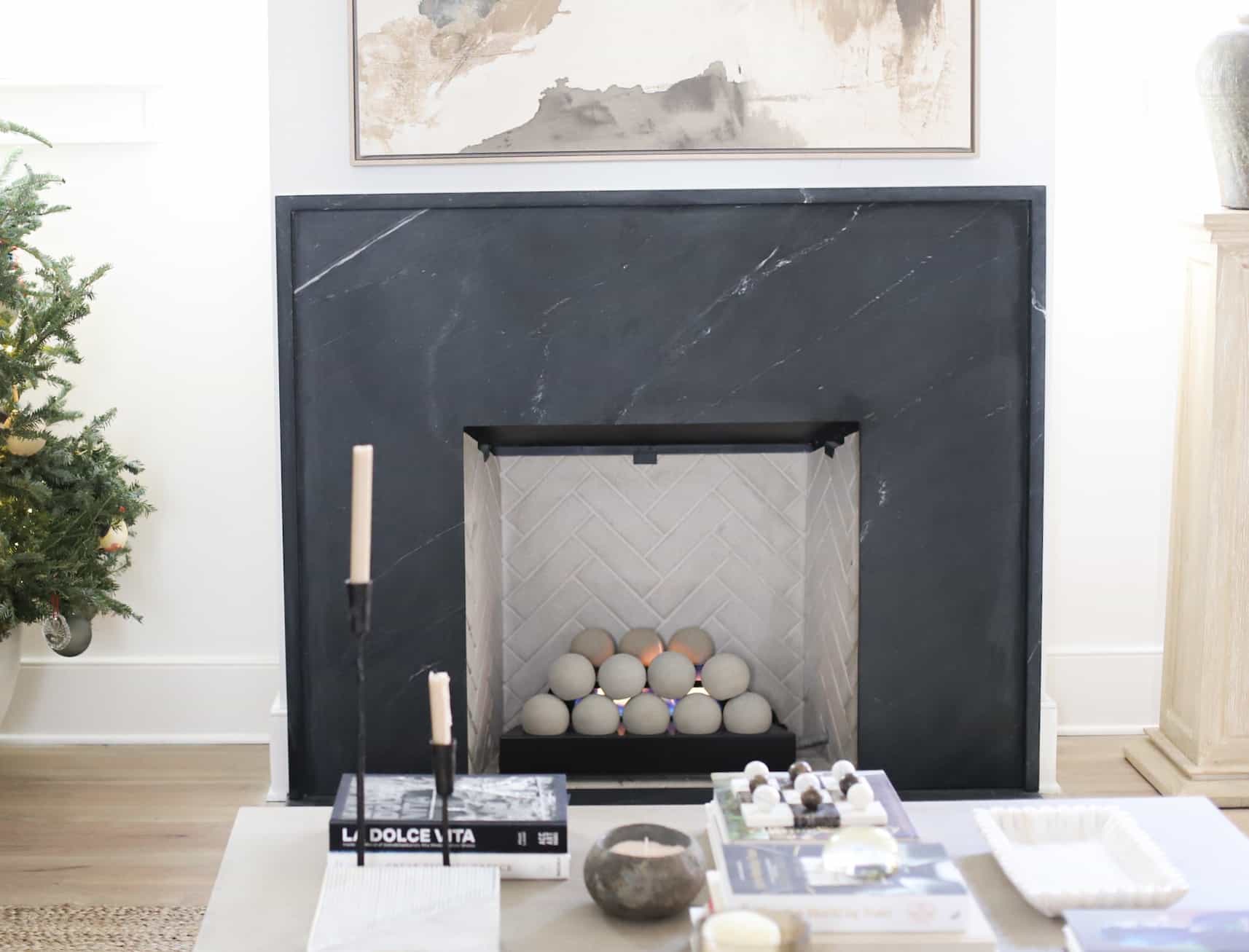
Soapstone’s soft, matte gray to black look fits naturally into the farmhouse, coastal, and historic home styles common throughout Charleston, Mount Pleasant, and the surrounding Lowcountry. Because it is non-porous, it also holds up well to the humidity that comes with living near the coast, without the staining or moisture concerns that come up with more porous stones.
Soapstone vs Granite vs Quartz
Each material has a different balance of look, care, and cost:
- Soapstone: non-porous, never needs sealing, heat resistant, softer and more prone to scratching, limited to gray, black, and blue-green tones
- Granite: wide color range, needs periodic sealing, very scratch resistant, harder than soapstone
- Quartz: engineered for consistent color and pattern, never needs sealing, more scratch resistant than soapstone but less heat tolerant
Homeowners who want a natural stone with almost no maintenance routine and don’t mind a limited, moody color palette tend to be the best fit for soapstone.
Durability and Everyday Use
Soapstone is genuinely heat resistant enough to set a hot pan directly on the surface without scorching or cracking it, which is not true of every countertop material. It is also non-porous, so everyday spills like wine, coffee, and tomato sauce sit on the surface instead of soaking in and staining.
The tradeoff is hardness. Soapstone is softer than granite or quartz, so it scratches more easily from knives or heavy cookware dragged across the surface. The upside is that scratches are usually shallow and can be sanded out and blended back in with mineral oil, something that is much harder to do on engineered stone.
The Patina Effect
New soapstone starts out a lighter gray and naturally darkens with age and use, especially with regular mineral oil application. Over months and years this develops into the deep charcoal or black patina soapstone is known for. This is expected, normal behavior for the stone, not damage, and it is one of the main reasons homeowners choose it for a farmhouse or historic look that improves with age.
Maintenance
Soapstone care is simple:
- No sealing is ever required, unlike granite
- Clean with soap and water, no special stone cleaner needed
- Mineral oil application is optional and purely cosmetic, used to even out or speed up the natural patina
- Minor scratches can be sanded out and refreshed with mineral oil
Cost
Soapstone countertops typically run $70 to $120 per square foot installed, with material alone in the $50 to $90 per square foot range. For a standard 40 square foot kitchen, that puts a full installed project in the $2,800 to $4,800 range. This places soapstone above entry level granite and quartz, roughly in line with mid to upper tier quartz, and generally below premium quartzite or exotic marble. See Eugene’s Marble & Granite’s complete Charleston countertop pricing guide for how this compares across every material.
Is Soapstone Right for Your Kitchen or Bathroom
Soapstone tends to be the right fit for farmhouse sinks, kitchen islands, wet bars, and bathroom vanities where a soft matte look and low maintenance routine matter more than resisting every possible scratch. It is less suited to households that want a wide range of color options or a countertop that never shows any wear at all. Talking through how a kitchen or bathroom actually gets used is the fastest way to know if soapstone is the right call.
Frequently Asked Questions
Does soapstone need to be sealed?
No. Soapstone is non-porous, so it never needs to be sealed, unlike granite or marble.
Will soapstone scratch or dent?
Soapstone is softer than granite or quartz and can scratch from knives or heavy cookware. Shallow scratches can be sanded out and refreshed with mineral oil, so the repair is usually simple.
Can I put a hot pan directly on soapstone?
Yes. Soapstone is highly heat resistant and can handle a hot pan straight from the stove or oven without scorching or cracking.
Does soapstone darken over time?
Yes. Soapstone naturally darkens with age and use, and applying mineral oil regularly speeds up and evens out this patina. This is normal, expected behavior, not damage.
How much do soapstone countertops cost in Charleston?
Soapstone typically runs $70 to $120 per square foot installed. A standard 40 square foot kitchen usually falls in the $2,800 to $4,800 range for the full installed project.
Is soapstone a good choice for a Charleston bathroom?
Yes. Its non-porous surface holds up well to humidity and moisture, which makes it a solid choice for bathroom vanities in the Lowcountry’s coastal climate.
Curious if soapstone is the right fit for your Charleston kitchen or bathroom? See Eugene’s Marble & Granite’s soapstone countertops or request your free estimate today.
Eugene’s Marble & Granite has fabricated and installed countertops for Charleston area homeowners since 1995, with over 10,000 kitchens completed. Learn more about natural stone care from the Natural Stone Institute or design guidance from the National Kitchen and Bath Association.