
By the team at Eugene’s Marble & Granite, Charleston’s countertop fabricators and installers since 1995. With over 30 years of experience and more than 10,000 kitchens installed, we know what works in Lowcountry homes.
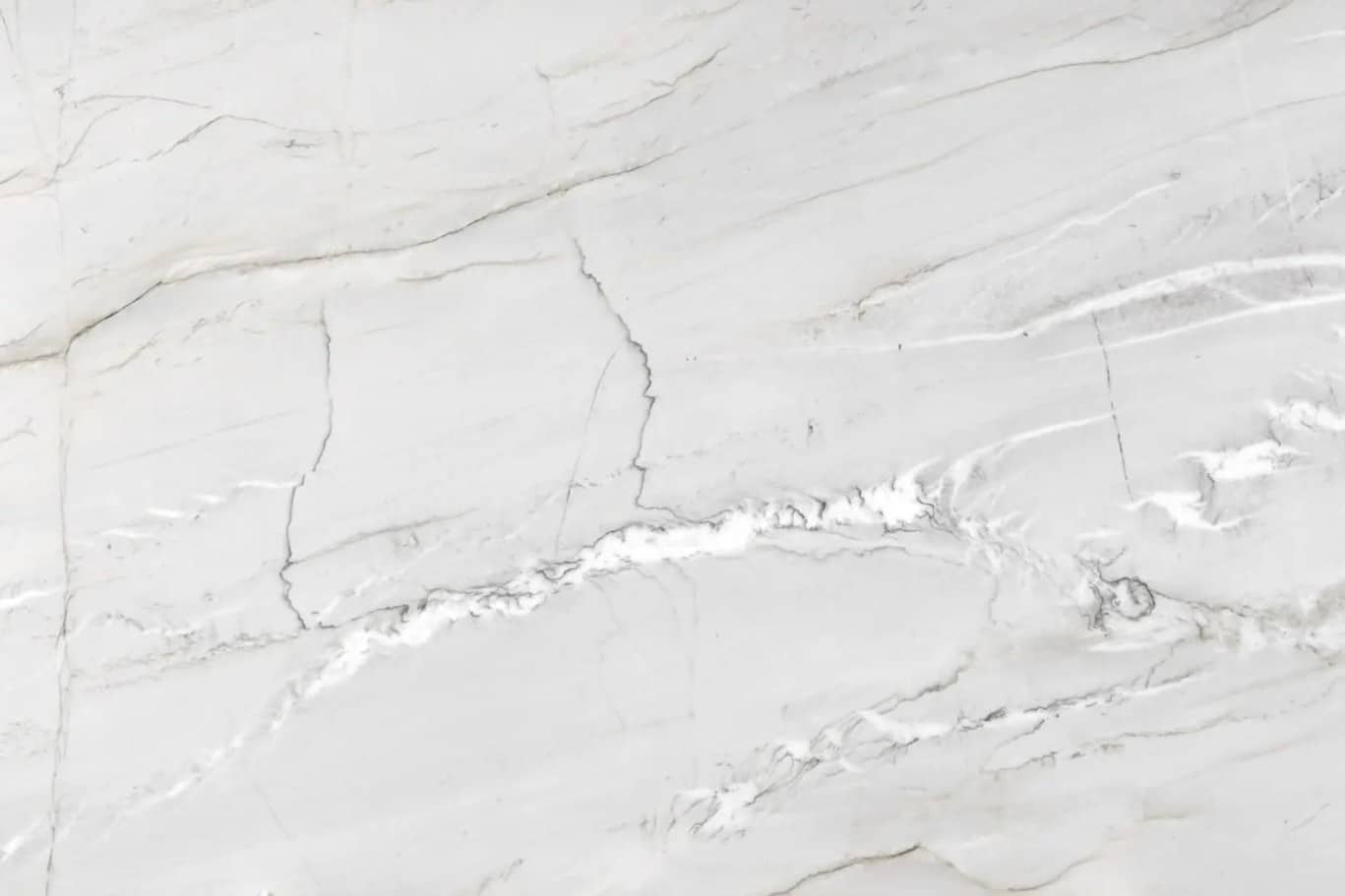
Table of Contents
- What Is Quartzite and Why Are Charleston Homeowners Choosing It?
- Quartzite vs. Quartz: What’s the Difference?
- Quartzite vs. Granite: Which Is Harder?
- How Much Do Quartzite Countertops Cost in Charleston?
- Where Can You Use Quartzite in Your Charleston Home?
- Popular Quartzite Colors and Slabs at Our Showroom
- How to Care for Quartzite Countertops
- Why Choose Eugene’s Marble and Granite for Quartzite in Charleston?
- FAQ: Quartzite Countertops Charleston
Quartzite countertops in Charleston are worth the investment for homeowners who want the look of marble with greater durability. They cost between $95 and $150 per square foot installed and hold up well in the Lowcountry’s coastal humidity. This guide covers everything Charleston homeowners need to know before investing.
If you are looking for countertops in Charleston, you will likely have heard of quartzite and will be wondering if it is really worth the additional cost. It looks great and sounds a lot like quartz, and folks are just continually recommending it. But what exactly is it? Is it suitable for your home?
This guide explains all that Charleston homeowners should know prior to investing.
What Is Quartzite and Why Are Charleston Homeowners Choosing It?
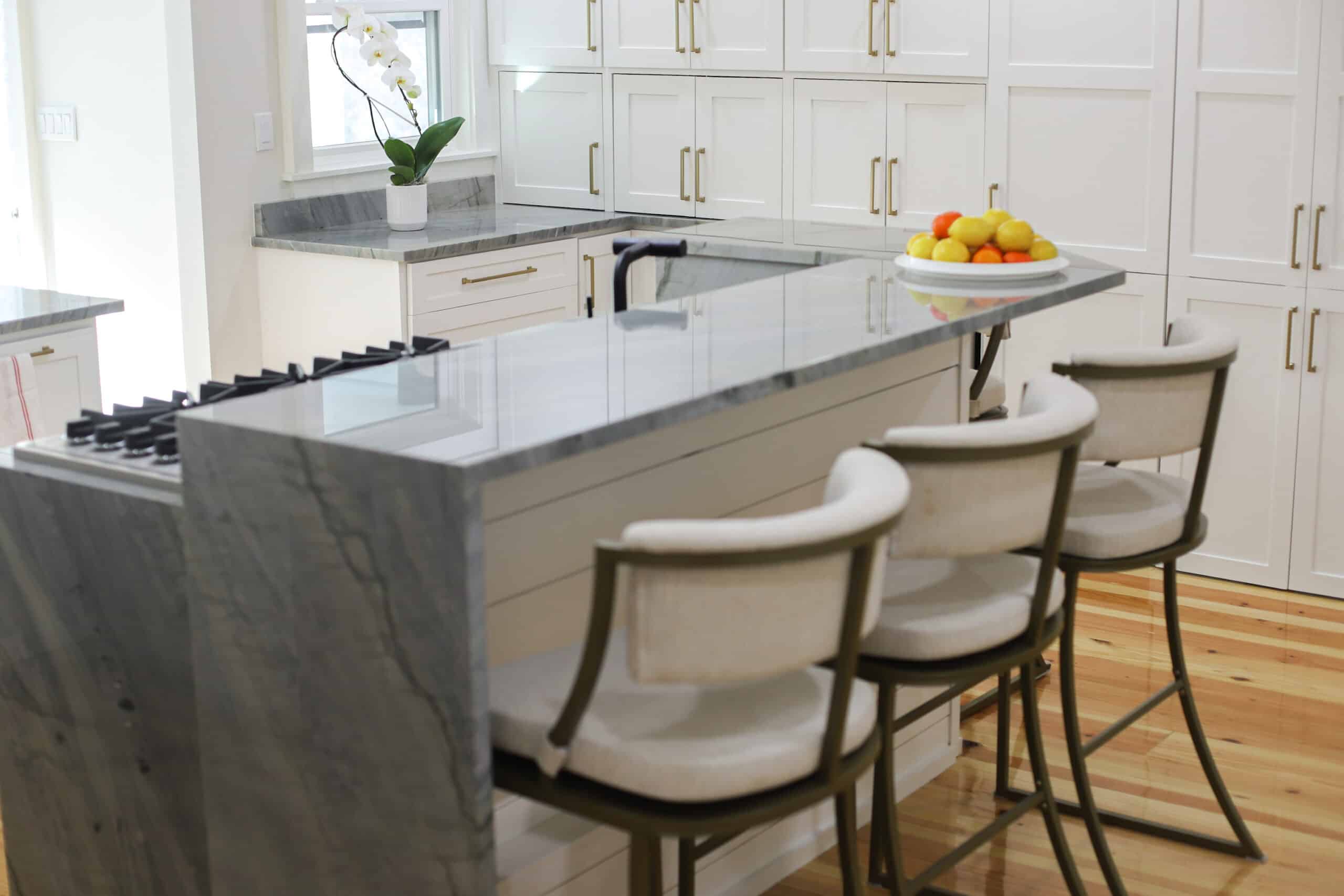
Quartzite is a 100% natural stone (as opposed to engineered quartz; read on to learn the difference). It is created by the intense heat and pressure over millions of years that turn sandstone into a super-dense, tough rock. The result is a surface that is both elegant and durable, like the veining of marble with granite’s toughness.
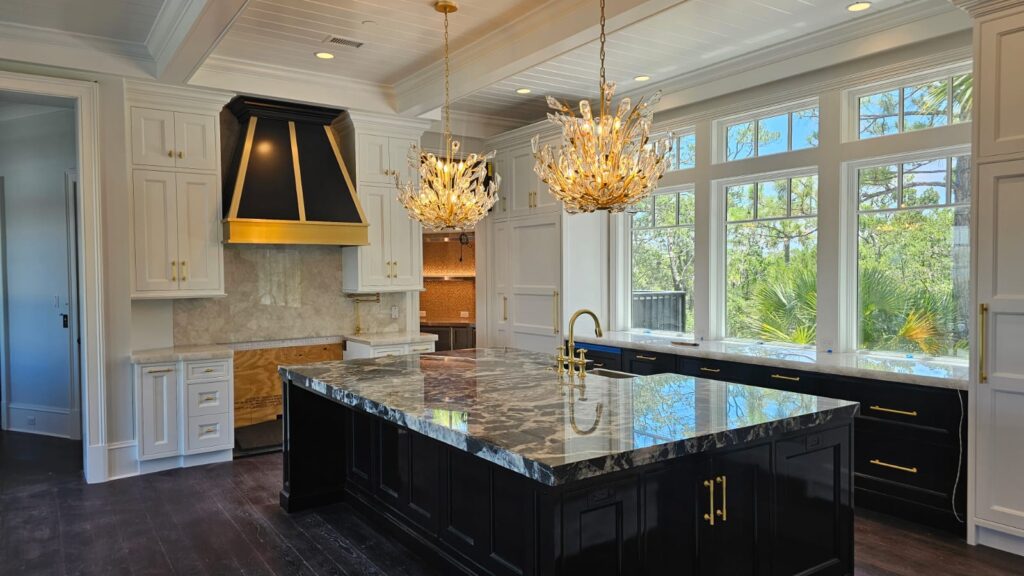
It’s for those reasons that quartzite is the go-to option for luxury homes in Charleston in 2026. Refreshing, air-filled rooms with natural materials and quartzite fit the theme of the city’s design landscape: a sleek, coastal styling. Its luminous whites, soft greys, and warm golden hues harmonize with the unique historic appeal and contemporary luxury of Charleston.
In addition to its appearance, quartzite makes a good choice for challenging kitchens. It is also extremely resistant to scratching due to its hardness and is able to withstand coastal humidity, a real concern in the Lowcountry.
Quartzite vs. Quartz: What’s the Difference?
One of the most frequently asked questions in the showroom is this one. Such an almost identical name, but such different materials.
Quartzite is a natural stone that is extracted from the ground. Each slab is an individual product of geology, which has been in existence for millions of years. Unlike quartzite, quartz is instead made from 90 to 95% crushed quartz, resin binders, and pigments, and is then pressed into a uniform slab.
The two compare up:
| Feature | Quartzite | Quartz |
|---|---|---|
| Origin | Natural stone | Engineered (quartz + resin) |
| Appearance | Unique veining, one-of-a-kind | Consistent, uniform pattern |
| Hardness | 7 to 8 on the Mohs scale | ~7 on the Mohs scale |
| Heat Resistance | Excellent | Moderate (resin can scorch) |
| UV Resistance | Excellent | Can fade/discolor outdoors |
| Maintenance | Annual sealing recommended | No sealing required |
| Price Range | $70 to $120+ per sq ft installed | $55 to $90 per sq ft installed |
Quartzite is an obvious choice when you’re in Charleston, where the humid coastal climate could cause certain other stones to deteriorate over time due to heat or humidity, or discolor or fog under the influence of UV rays.
Quartzite vs. Granite: Which Is Harder?
They are both natural stones, and they are more similar than most would think. Quartzite usually has a hardness rating of 7 to 8 on the Mohs hardness scale, while granite has a hardness rating of 6 to 7 on the Mohs hardness scale. This gives quartzite a slightly higher average hardness and a greater resistance to surface wear and scratching over time.
- In terms of stain resistance, the two are more or less similar, but quartzite’s dense crystalline structure provides it a slight edge. Both need to be sealed from time to time to keep out moisture, but the sealants might need to be different in kind or amount depending on the slab.
- Both quartzite and granite are suitable for a quick on-and-off with hot pots, as they are both heat-resistant. However, trivets are always a good practice to safeguard any stone surface in the long-term.
- When it comes to “heavy cooking, often entertaining, the hot pan every so often,” a quartzite cooktop really shines in a busy Charleston kitchen. It withstands the rigors of everyday use and can look as fresh for decades with the right care.
How Much Do Quartzite Countertops Cost in Charleston?
The range of quartzite countertops installed in Charleston is from $70 to $120+ per square foot.
What affects the price:
- Slab rarity: Exotic or imported slabs are more expensive.
- The thicker (the standard thickness for countertops is 3 cm), the more expensive it is.
- Profiled edges: simple eased edges are provided; mitered, ogee, or waterfall edges are an extra cost
- Labor required: The cost of cutouts for sinks, cooktops, and odd angles adds to labor.
How does it compare to other materials?
- Marble: $150 to $250+ per sq ft: similar in price or more expensive, but less durable
- Granite: $45 to $90 per sq ft: less expensive, slightly less hard and durable
- Quartz: $55 to $90 per sq ft: slightly more affordable, but not as consistent a performance (see above)
Quartzite is in the “premium” category, but if you prefer the appearance of marble without the maintenance and strength comparable to a very busy family, then the value equation is very appealing. See our extensive countertop pricing guide for in-depth details.
Where Can You Use Quartzite in Your Charleston Home?
The major asset of quartzite is its versatility. It smoothly transitions between spaces:
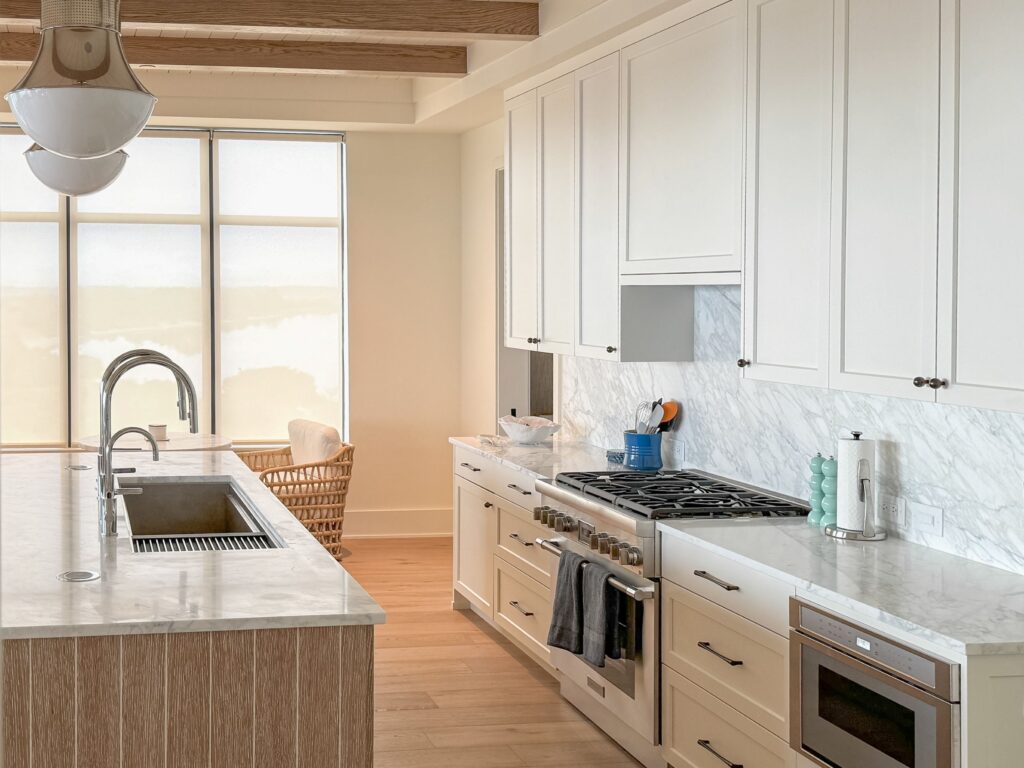
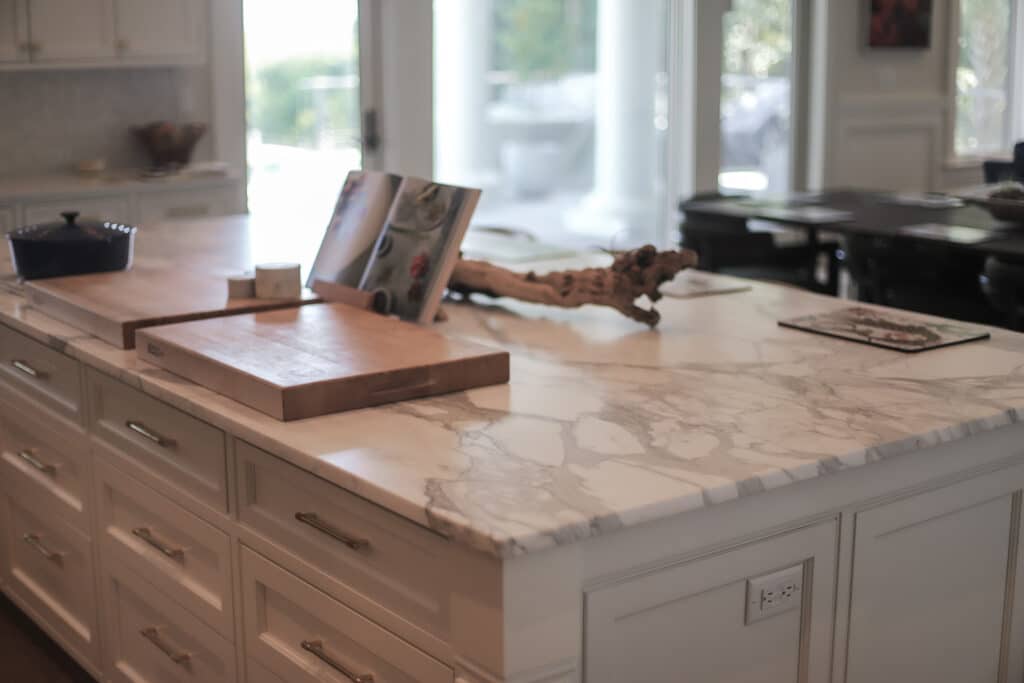
- Kitchen Countertops: The most popular application. Quartzite is extremely resistant to heat, cutting (although it is recommended to use a cutting board to prolong the life of the board), and heavy use.
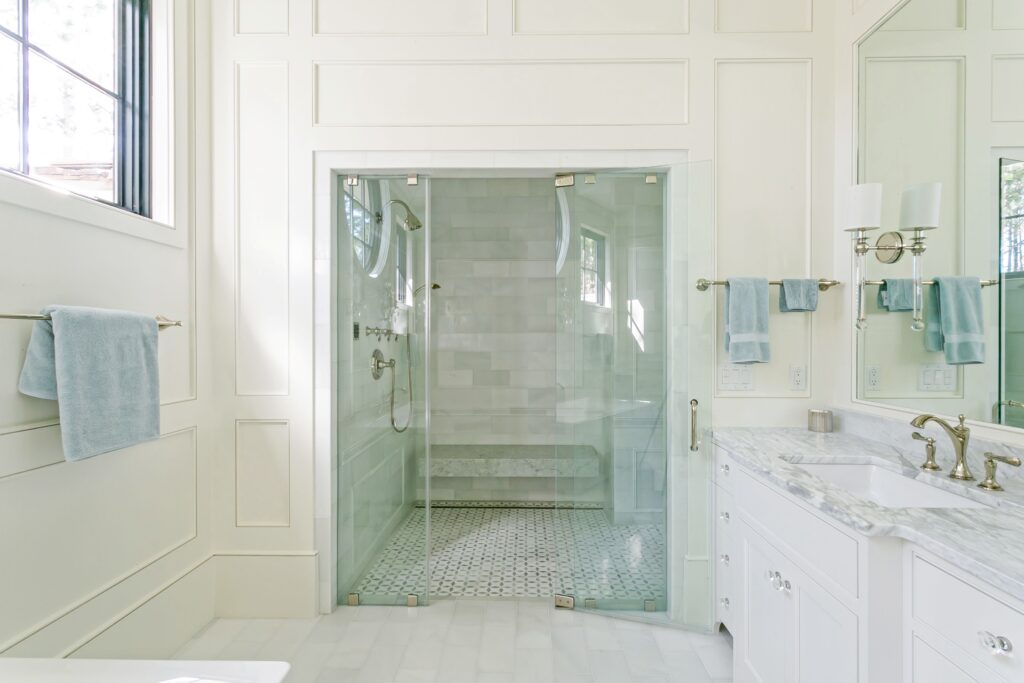
- Bathroom Vanities: The natural veining adds an additional touch to bathroom design. The tight fit is also beneficial in stopping water and humidity attaining the bathroom in coastal regions.
- Outdoor Kitchens: This is when quartzite shines over quartz. The high summer sun of Charleston won’t yellow or warp quartzite, as it won’t contain any UV sensitive resins, which makes it the top choice for outdoor entertaining areas.
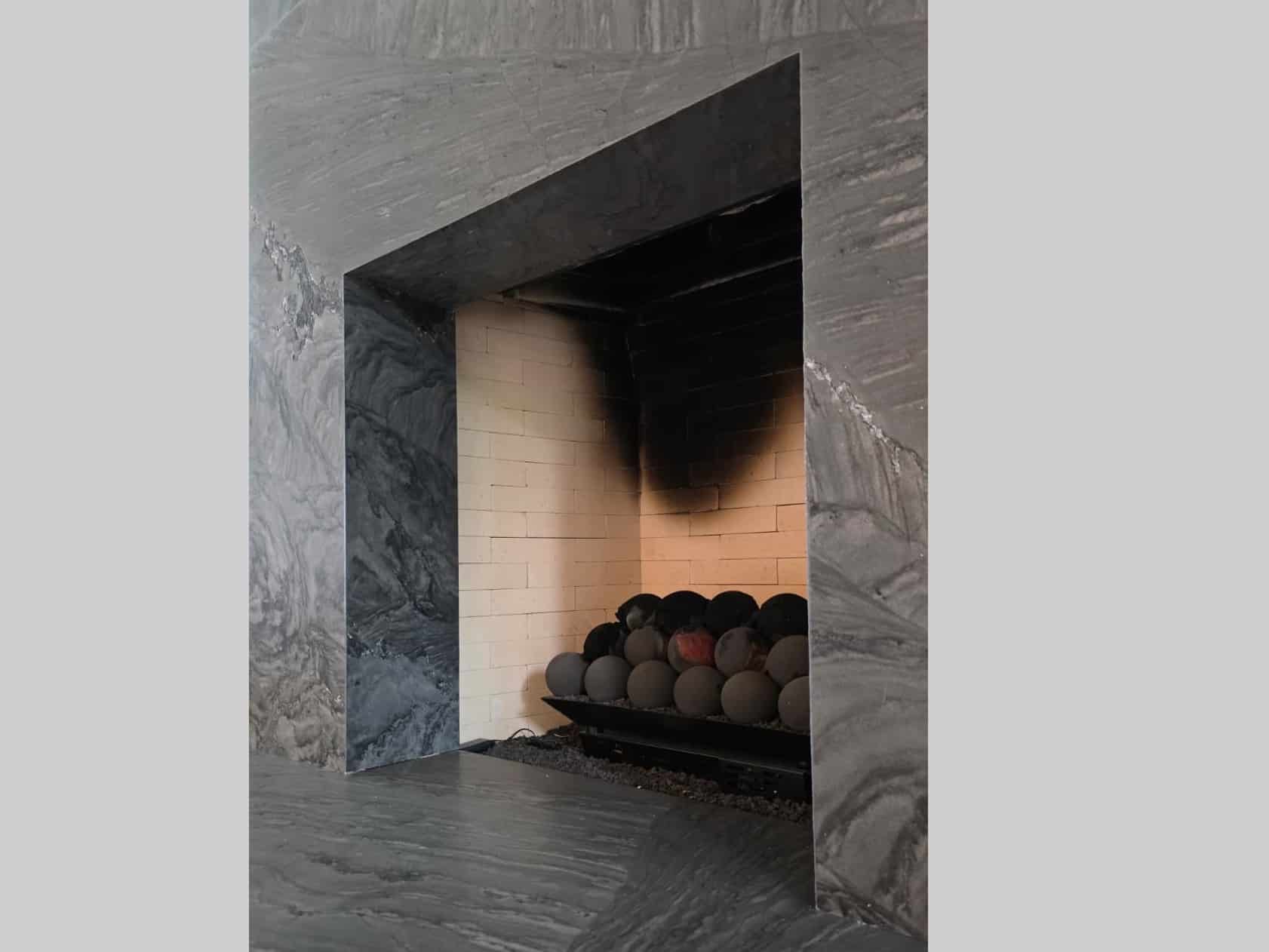
- Quartzite Fireplace Surrounds: Quartzite’s heat-resistant and dramatic qualities make it an ideal material for use as a fireplace surround.
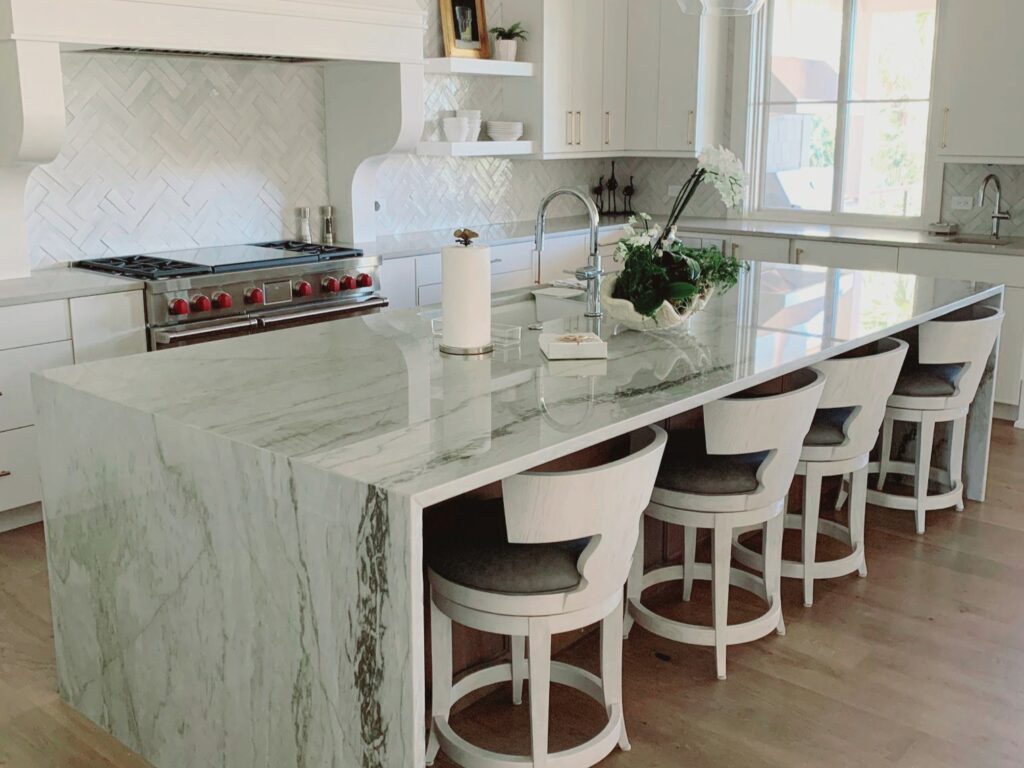
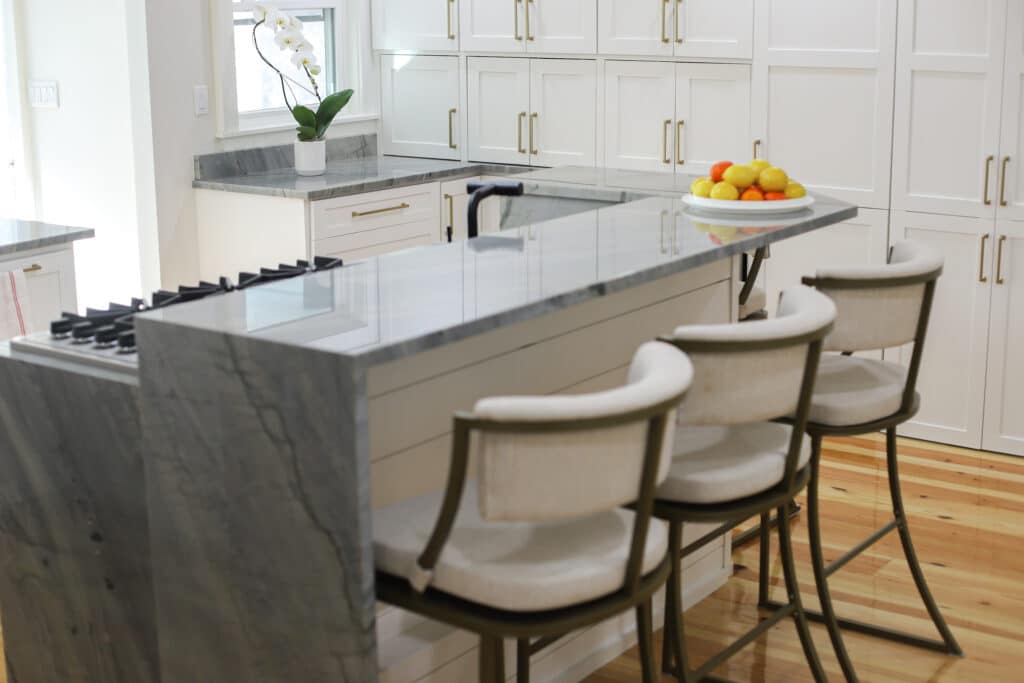
- Waterfall Islands: When the Quartzite is veined with bold colors, it’s particularly beautiful when it wraps around the edge of a waterfall island, creating a countertop focal point for the entire kitchen.
Popular Quartzite Colors and Slabs at Our Showroom
We have a wide range of quartzite slabs, available from the very best quarries in Brazil, India, and beyond, at Eugene’s Marble and Granite. All slabs are hand-picked for quality, uniformity, and aesthetics. Some of our most popular varieties are:
White Quartzite
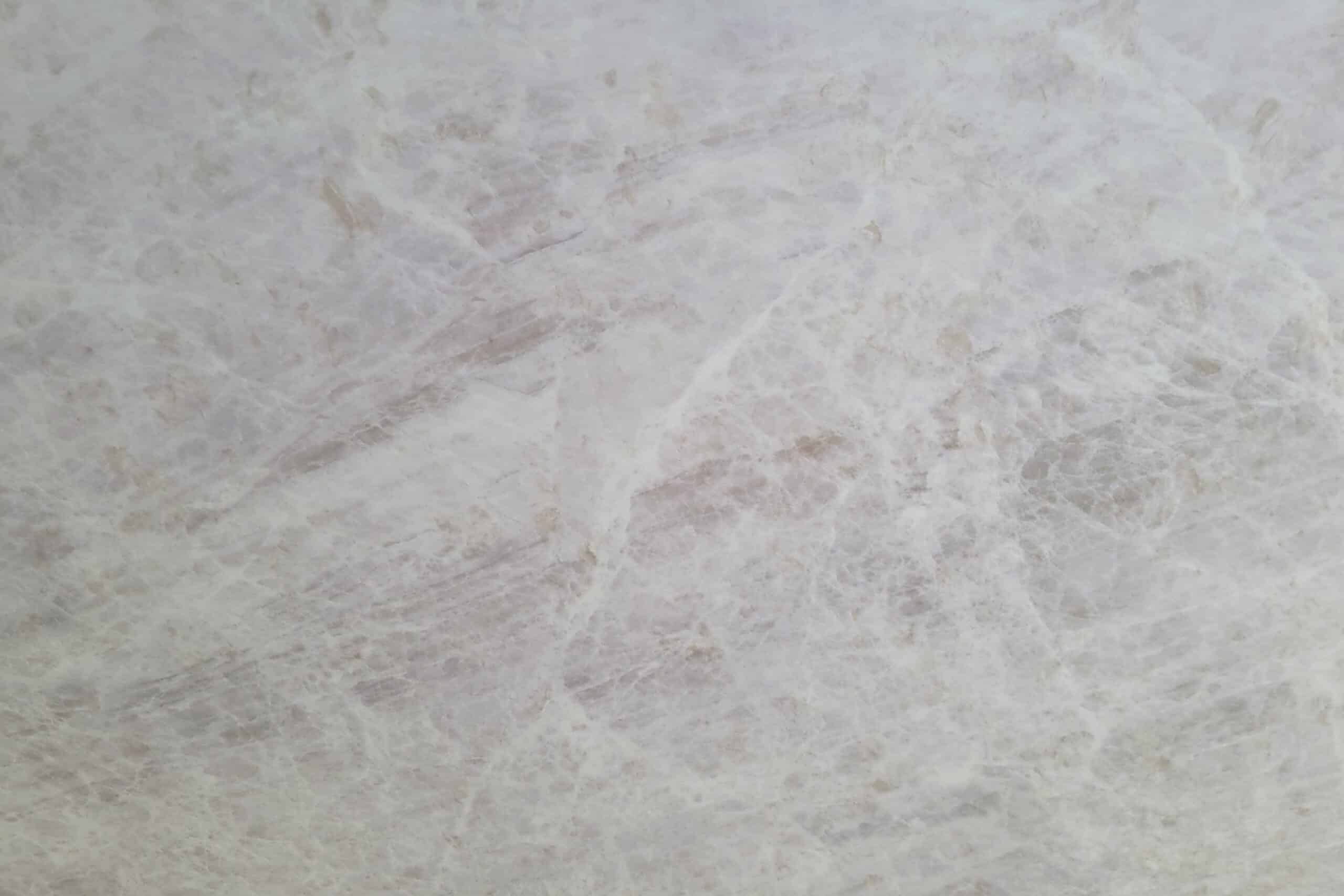
- Taj Mahal: A warm creamy white, soft golden veining, and a silky glow. It’s a popular choice for quartzite kitchen countertops in Charleston, and looks great with a variety of cabinet designs, be it white shaker or warm wood tones, and brass or gold hardware. It offers a simple and elegant look that will fit in with most styles.
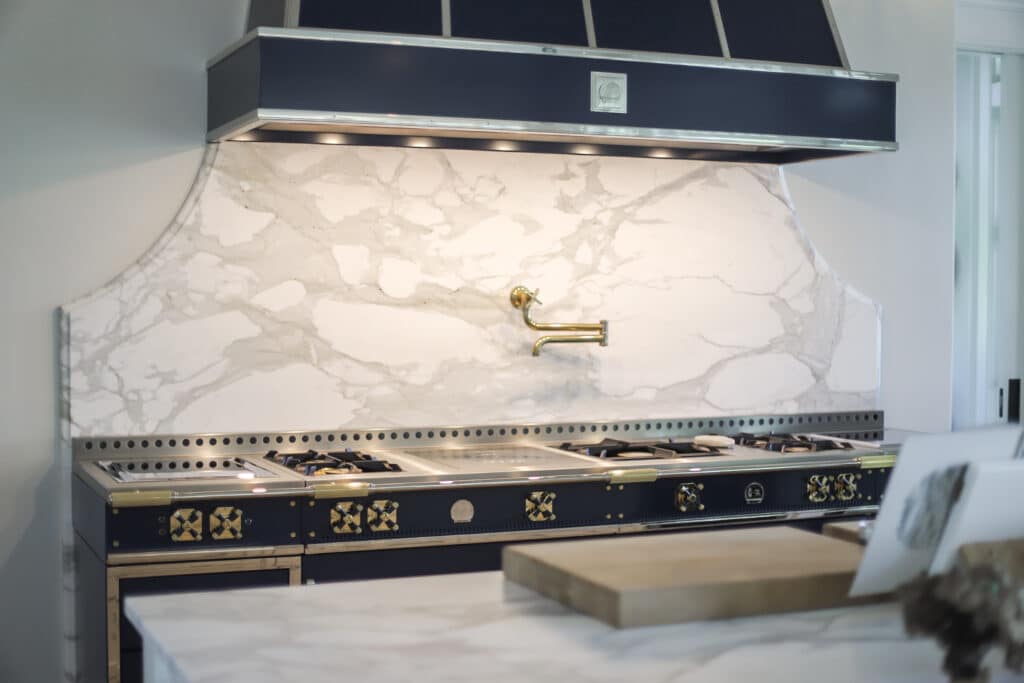
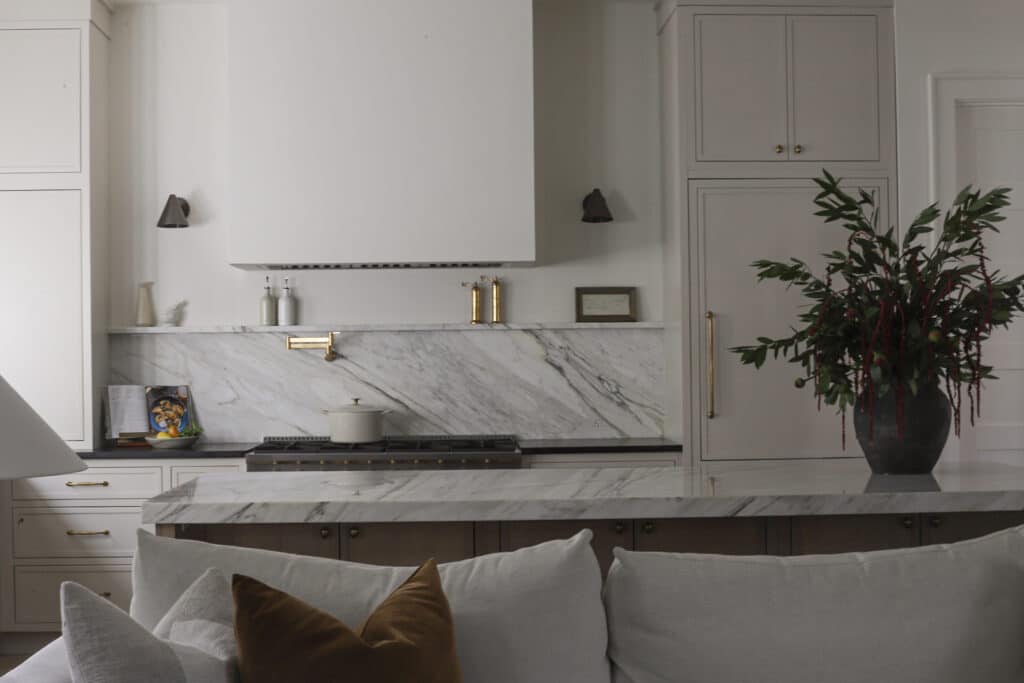
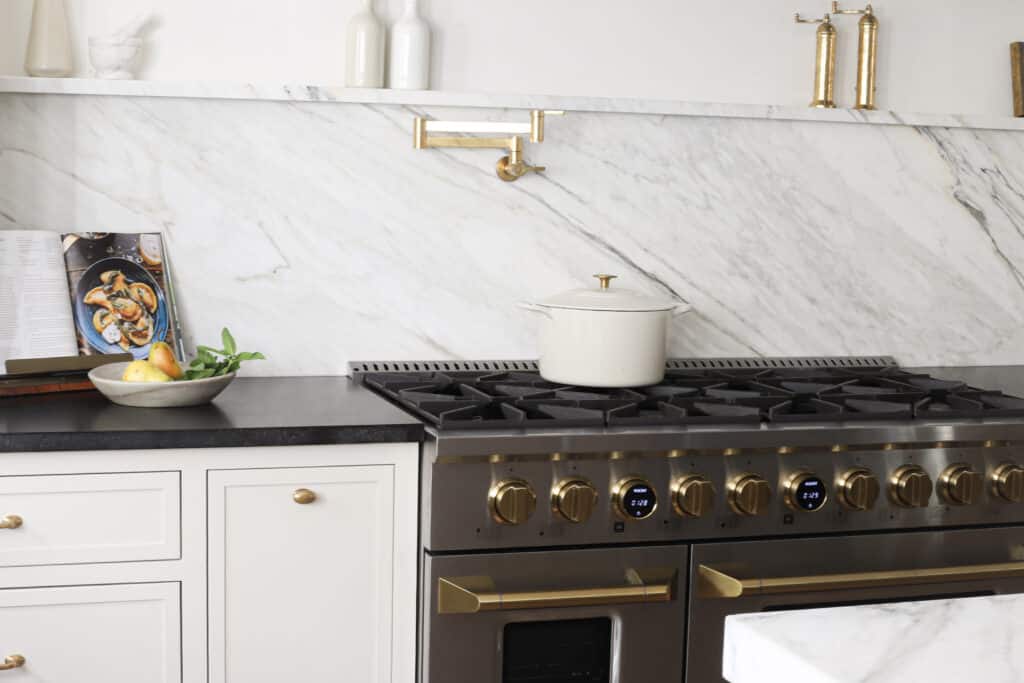
- White Macaubas: Fine lines of white vein (with smooth, clear movements) on the slab. The ideal solution for the homeowner who appreciates the marble aesthetic and wants the durability it offers. It’s really eye-catching on large kitchen islands and in full-height backsplash applications.
Grey Quartzite
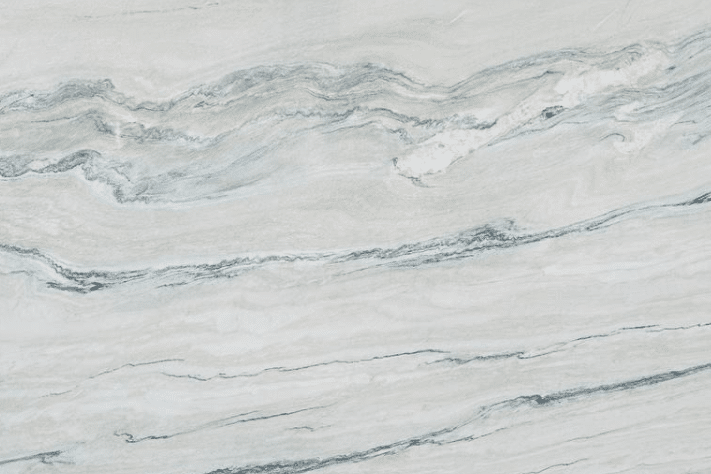
- Sea Pearl: A stylish and adaptable grey-green white that seems to be a natural fit for Charleston’s Lowcountry style. These two slabs aren’t posh, and strictly one size fits all, ranging in color movement from silvery grey to soft sage, depending on the light, and are a sure conversation starter in any kitchen or bathroom.
- Azul Macaubas: A bold, sweeping veined quartzite that comes in a striking blue-grey color. It enhances modern and contemporary interiors and is a ravishing waterfall island border.
Brown and Gold Tones
- Persa Imperial, and other warm-tone varieties, have rich amber, caramel, and bronze veining that look well in wood cabinetry, terracotta tile, and natural-toned kitchens. Charleston homes with slabs are particularly popular and tend to embrace a more natural color spectrum.
- Fantasy Brown is a type of quartzite-marble with soft brown, grey, and white colors in a flowing pattern resembling a painting. One of our most versatile slabs, and it’s perfect for use in contemporary and classic interior designs.
It is a highly subjective decision to make, and photographs just don’t do the job justice. Natural stone’s depth, movement, and change are dependent on time of day, angle of light, and the space in which it is set. It’s a thing you really do have to see in person. Come to our Charleston showroom to see all the slabs side by side, get ideas from our design team, and discover which slab is right for your home.
How to Care for Quartzite Countertops
Quartzite is a relatively easy-to-care-for rock, but a little routine maintenance will help maintain it.
- Sealing: If water beads up on the surface, plan to reseal your quartzite countertop at least once per year. The best protection against moisture and staining is a good penetrating stone sealer.
- Regular Cleaning: All you need for regular cleaning is warm water and mild dish soap. It is best to use a soft microfiber cloth. If cleaning, dry the surface after cleaning to avoid water spots.
What to Avoid:
- Acidic cleaners (vinegar, lemon juice, citrus-based products): these can etch the surface
- Abrasive scrubbers or steel wool
- Use bleach-based or ammonia-based cleaners.
- Allowing standing water or spills to remain without cleaning up for a long time.
Quartzite countertops can last for 50+ years with routine sealing, proper care, and maintenance. To find out more about how to maintain quartzite, visit our FAQ.
Why Choose Eugene’s Marble and Granite for Quartzite in Charleston?
Eugene’s Marble and Granite has been providing Charleston countertops since 1995, having installed more than 10,000 kitchens over the course of 30 years of experience. We are different from the rest:
- Direct Slab Sourcing: We buy our quartzite slabs from the quarry and importers, providing our customers access to more slabs at better prices than resellers.
- In-House Fabrication and Installation: We take care of all your needs from choosing your slab to exact templating, expert cutting, finishing, and installation. No subcontractors, no handoffs, and no surprises.
- Our Charleston showroom is a place where you can see the quartzite slabs in real life, and in natural light, the only way to really judge a natural stone. Learn more about kitchen design best practices from the NKBA.
Looking to find out what quartzite can do for your kitchen or bath? Check out some quartzite countertop Charleston choices, or contact us today for your free quotation.
FAQ: Quartzite Countertops Charleston
- So, is quartzite better than quartz? This will vary depending on your preferences. Quartzite is highly resistant to heat and UV and has a natural and unique look. Quartz is more uniform, may be sealed-less, and is generally less expensive. Quartzite is the more durable option if you have an outdoor kitchen or are looking for a natural stone option that’s completely unique.
- Does quartzite need to be sealed? Yes. Sealing should be done annually to prevent moisture intrusion and staining. It’s very easy to do and can improve performance in the long run, and it only takes about an hour.
- Does quartzite make good kitchen countertops? Yes, and one of the best choices of natural stone for kitchen and outdoor use. Quartzite is not as sensitive to heat and UV rays as quartz (which uses resin binders), and does not fade as easily.
- So, how long will quartzite countertops last? If cared for and sealed properly, quartzite countertops can last for 50 years or longer. A lot of natural stone countertops will outlast the houses they’re put in.
- Which is the most common color of quartzite? Taj Mahal is one of the most popular types of quartzite that is used in Charleston, and with its warm white color and soft golden veining looks great in both traditional and modern kitchen designs. Close second is Sea Pearl, which is widely used for its coastal aspect.
Looking to spend a lifetime on life-long countertops? Call Eugene’s Marble and Granite for a free quote for quartzite countertops in Charleston.
About the Author
This guide was written by the team at Eugene’s Marble & Granite, Charleston’s countertop fabricators and installers since 1995. Based in Ravenel, SC, we have installed countertops in more than 10,000 Lowcountry homes and businesses. Our showroom carries hundreds of quartzite, granite, marble, and quartz slabs sourced directly from quarries around the world. Visit our kitchen countertops Charleston page or our gallery to see our work.