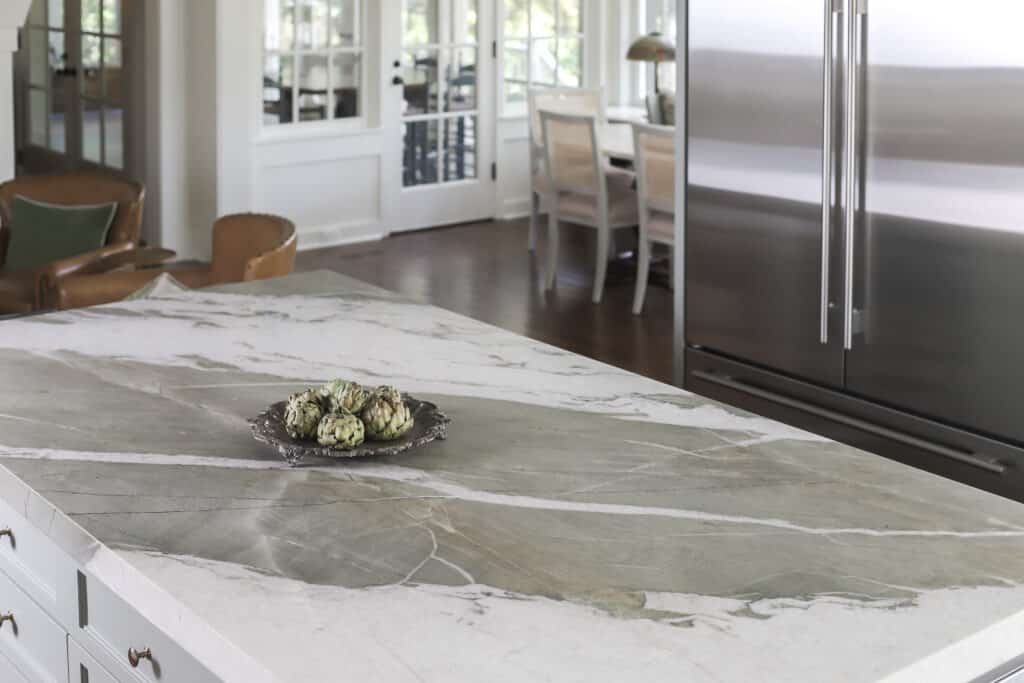

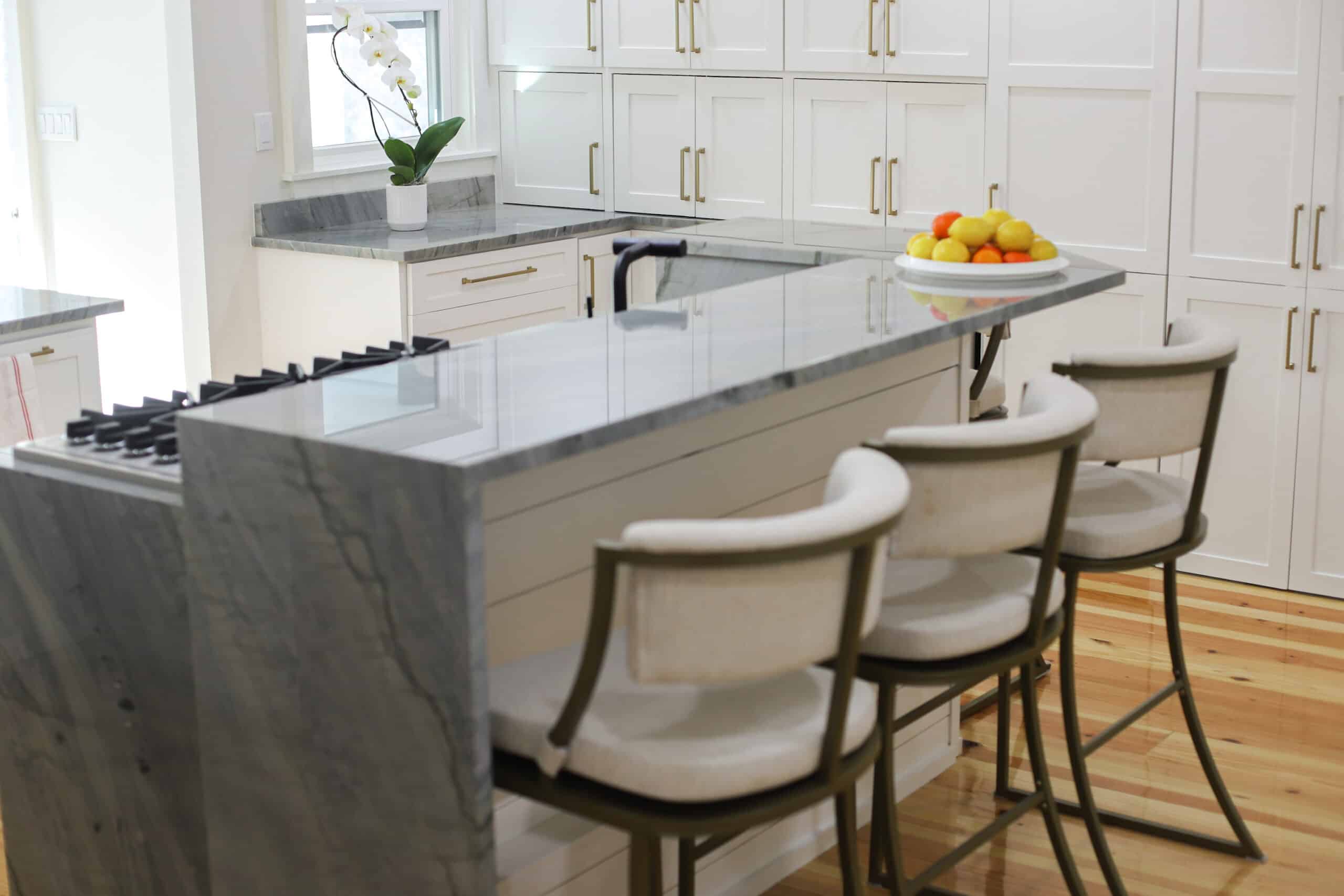
Most Functional Kitchen Countertop in Charleston: What Really Holds Up in Real Life
One of the most significant decisions to be made is the countertop choice when doing a kitchen renovation in Charleston, SC, even a small redesign. It is much more than a decor factor that will match your cabinets, flooring, or backsplash. It is a workhorse in the kitchen: it is where food is cut, the hot dishes are kept, spills are frequent, and the normal life of the family makes its pattern. Having watched over years of homeowners and listened to their remorse after the installation, there is only one truth that can be perceived: uncouth functionality has nearly always dominated the aesthetics after some time.
The priorities are changed to real-life resilience- resistance to knife scratches, withstanding direct heat of pots and pans, with stains of colorful foods and drinks, easy everyday cleaning, and generally fitting in with the rhythm of your house. Whether you’re searching for countertops in Charleston or doing your own research, here we compare the top competitors on countertops, namely engineered quartz, natural stones such as granite and quartzite, acrylic solid surfaces, ultra-compact sintered surfaces such as Dekton, porcelain slabs, traditional laminate, and some interesting alternatives in detail. We will review them in terms of actual performance indicators and not the marketing outcomes, and integrate the recent trend of 2026, where durability, sustainability, and smooth design still rule the conversation.
The importance of functionality in 2026
At present, the workload has increased in kitchens compared to the past decades. Home cooking has boomed, whereby more individuals cook elaborate dishes, do a lot of baking, and also host parties. Wear and tear are also caused by kids, pets, and multitasking adults. In the meantime, the counter design trends are towards bigger islands, waterfall edges, combined appliances, and indoor-outdoor flow, all of which exert more strain on surfaces. According to the National Kitchen & Bath Association (NKBA), there has been an increasing tendency to resort to high-performance with low-maintenance materials, particularly as homeowners are making investments in long-term value amid economic factors.
One of the best concerns is heat resistance, as hot objects are dropped on the counters very frequently. In close sequence comes the scratch and impact durability, especially in busy households. Stain resistance and non-porous properties will guarantee the hygiene, and the time and money saved will be due to the ease of maintenance. Sustainability is also taken into consideration, and eco-friendly decisions are becoming more popular, using recycled materials or reducing the effects of production. By making these practical considerations, you will avoid falling into the usual trap of choosing an impressive surface only to have to be very careful in using it or paying to get it fixed when it breaks down.
Engineered Quartz: The Everyday Favorite You Can Count on
Engineered quartz has continued to dominate kitchens around the world, and with considerable merits. It is made by spalling natural quartz crystals (with a content of 90-95% quartz), and they are combined with polymer resins and pigments, pressed under high pressure and heat to form thick non-porous slabs. The outcome is a steady, homogenous material that comes in an unbelievable number of colors and designs, one that ranges between minimalist solids and intricate veining, substances that resemble natural stone.
It is non-porous, thus no sealing is necessary, and it is easy to clean up stains using mild soap and water. All the scratches created by utensils or minor use of knives on a daily basis are not visible, and the substance prevents typical kitchen spills such as coffee, wine, or tomato sauce when wiped immediately. This places it in the middle-budget segment, with an appeal that cuts across a wide range of budgets and offers a highly refined, contemporary feel.
Limitations are, however, realized in extreme conditions. The main weakness is heat; direct touching of pots above approximately 300-400degF is likely to scald the resin binder, leaving it permanently discoloured or cracked, which can never be completely covered with polishing. There are a lot of homeowner complaints about bad experiences when a forgotten trivet caused permanent damage to a costly island. Brand-to-brand impact resistance differs; some premium lines have a greater ability to withstand moderate impacts, heavy drops, or sharp blows, which may break the slab and may need replacement of the whole section instead of repair.
The inconsistency of quality among the manufacturers is another area of consideration; cheap imports might not perform well compared to the well-established brands. The fabrication processes, too, have raised issues of worker safety, due to exposure to silica dust, but installed countertops have never been a permanent threat to homes. In kitchens of moderate use, where careful habits dominate, such as the use of cutting boards and trivets, engineered quartz presents a great value and painless appearance. It is ideal with the busy people or small families who are interested in reliability but not too costly to maintain.
Natural Stone: Granite and Quartzite to Toughness beyond Compromise
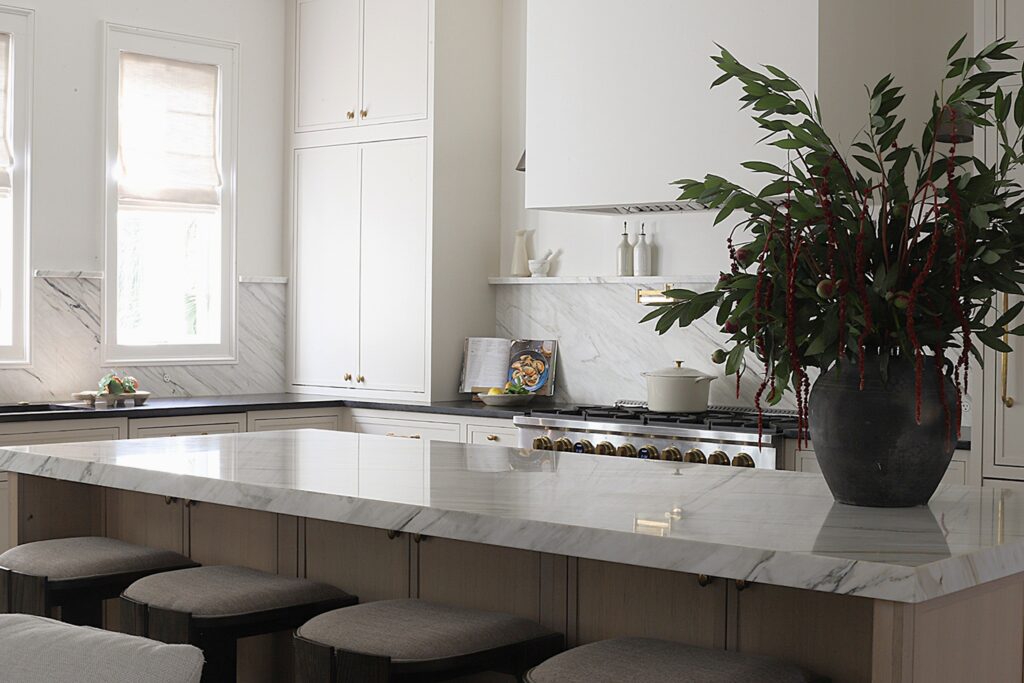
Natural stone, mainly granite and quartzite, is still doing well when absolute durability is needed. They are extracted directly out of the quarries and have unmatched individuality; no two slabs have the same veining, color depth, and character, which makes kitchens have their own personality. Many Charleston homeowners choose natural stone precisely for this timeless look that suits the city’s historic character.
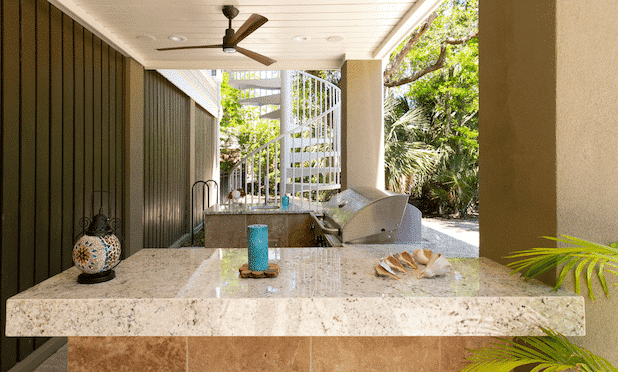
The reputation of granite as a heat-resistant material enables it to resist direct contact with hot pots or conducting pans without any problems, far better than most manufactured alternatives. Scratch resistance is also quite strong enough, and the correct cutting boards allow for eliminating any visible signs of everyday preparation. The performance of impact is the most radiant; granite receives blows very well, chips away at the edges, and only rarely does it break completely, as brittle materials do. A much denser metamorphic rock than granite, quartzite is frequently referred to as the hardest and most stain-resistant, with comparable thermal strength.
The sealing of natural stones is mandatory in the majority of cases to prevent oils and pigments, although more powerful impregnators and sealed versions are possible (usually 5-10 years with reasonable care). The reseal may be forgotten, and this may cause a slight etch or ring caused by acidic spills, but through immediate treatment, the reseal is normally cured. The payoff of the investment will be a heroic life span; most installations of granite and quartzite do not require much maintenance over decades. The Marble Institute of America recommends professional sealing every 3–5 years for optimal longevity.
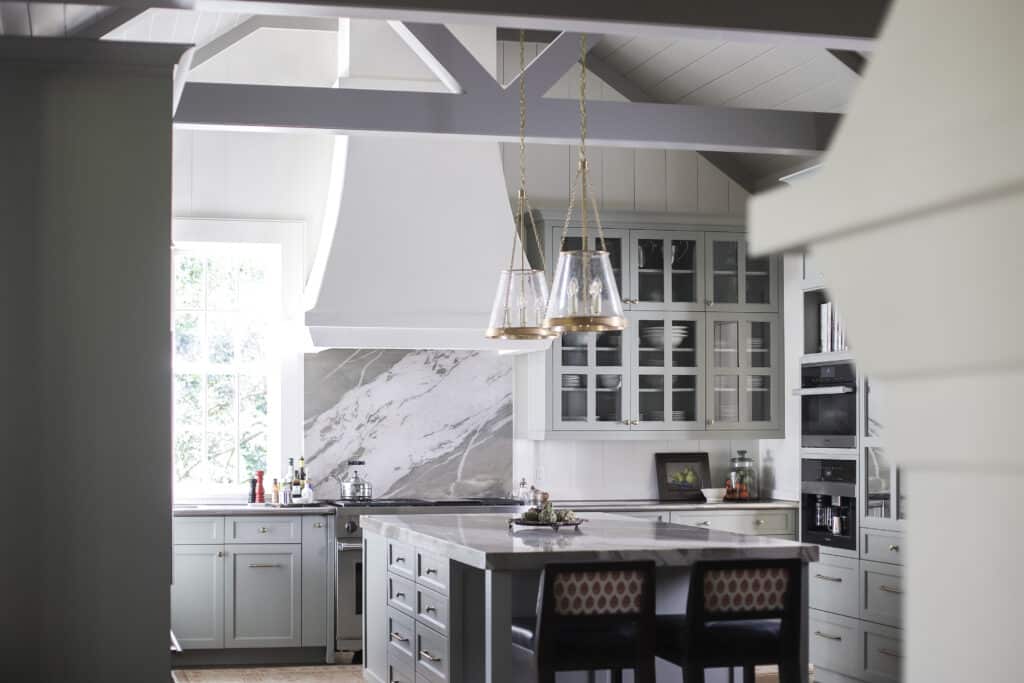
By 2026, quartzite will become very popular with an elegant look of marble with better toughness, done in a textured (leathered or honed) finish that conceals wear and further provides a sense of touch. To active houses, to busy families with children, to entertainers, or busy cooks, home-made, natural stone offers no competition. The higher initial price is due to premium sourcing and manufacturing, but the timelessness and marketability can usually make it worthwhile to people who respect originality and durability.
Acrylic Solid Surfaces: Seamless Hygiene and Easy Repairs
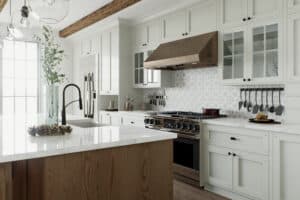
Solid surfaces made of acrylics (Corian, and others) provide a rather friendly usability. These non-porous sheets have warm-to-the-touch surfaces that are made out of acrylic or polyester resin with mineral fillers that are not visible except when professionally made. This smooth construction will do away with crevices where bacteria, molds, or food particles can gather, thus it is ideal in hygiene-oriented kitchens.
Another notable benefit is the repairability: scratches, burns, or small chips can be sanded and polished at the workplace, and it is often possible to get the surface to almost the original condition without any visible signs. Thermoforming can be designed to be creatively shaped – curved edges, inbuilt sinks, or personal shape – making it more flexible in design. Undermount sinks that are integrated make perfect transitions, and this minimizes the points of water collection.
The disadvantages are reduced heat resistance, direct contact with hot pans will melt or burn the resin, and once burnt, professional refinishing is required. Scratches are easier to see than on harder stones, and as such, cutting boards are not up for debate. Finishes are typically not polished as high-gloss polished stone, but are either matte or satin. Prices are in the average to expensive category, which is partially compensated by recycled material in most of the lines and long-term maintenance benefits.
This type does well in a setting that emphasizes cleanliness and forgiveness- consider families that have young children and can easily get into accidents, or house owners who appreciate designs that can be changed. Its application in the commercial and healthcare context is similar, which highlights its utility in situations where raw indestructibility is not the only concern.
Ultra-Minuscule Surfaces: Dekton and Porcelain Slabs Go to Extremes
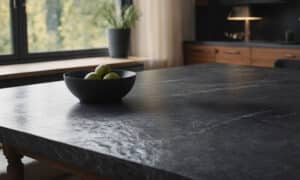
The state of art surfaces are ultra compact. The slabs produced by Cosentino are impervious to heat (there isn’t even scorching on high-temperature items), UV light (so it can be used in outdoor kitchens), stains, and most scratches because he sinters a blend of porcelain, quartz, and glass particles in the absence of resins, under intense heat and pressure. Dekton was the first of its category and quickly became popular with designers who favored its unique characteristics and its distinctive look.
Slim profiles allow dramatic, such as waterfalls, full-height backsplashes, or continuity of floors, and extreme endurance is appropriate in high traffic areas. Porcelain slabs have numerous features in common: by burning, vitrified surfaces of non-porosity and heat resistance are formed, and the patterns of the digital printing resemble the exotic stones on the surface with the effect of a natural, convincing mockery. Reliability between batches is beneficial to large-scale projects, and thin formats (down to 6mm) increase the creativity, such as coating hoods with, or finding a pair to match, fronts of cabinets.
Both materials require respect for their brittleness; the edges may get chipped due to the overall toughness. Specialty production and climbing increase the production cost, restricting the reach of the average budget. However, with uncompromising cooks or design-conscious houses that do not compromise on heat or life expectancy, these choices remove all their anxieties. The porcelain became popular in 2026 due to its sustainability qualities and easy product assimilation in the contemporary minimalist design.
Laminate: The Real Workhorse, the Low-Cost Model
Laminate is a smart, practical option, although it has premium alternatives. Modern laminates are made of layers of resin-impregnated paper bonded at high pressure over a core, over which hardy melamine is applied, making them look like stone, wood, or concrete with amazing realism. The resistance to impact is usually higher than anticipated–dropped objects are not easily dented, regular stains are easily removed, and so forth. It is also cheap and quick to install, making it ideal when the home is a starter, a rental, or a short-term flip.
The primary weakness of it lies in its vulnerability to moisture; the unsealed edges or seams lead to the infiltration of water into the product, leading to swelling, bubbling, or delamination that is impossible to repair. Burns and scratches are found faster than on high-end materials, and the panel has to be replaced. The innovation in edge banding and low profile adds to longevity, but the majority do not consider it to be a lifetime commitment, but a workaround. It is also reasonably priced and offers decent performance to families who track their spending or families intending to do an upgrade in the future.
Best Honorable Mentions: Soapstone and Stainless Steel
The heat and scratch resistance of soapstone, coupled with its antique look, is very appealing, and its softer composition forms a rich patina, making a darker color that covers minor wear very well. Frequent applications of mineral oil keep the appearance intact, and it forms a living surface that develops with use. The professional standard is made of stainless steel, which is supreme in its functionality: being totally non-porous, heat and impact proof, readily repaired, and with welded seams, thereby being hygienic in nature. Scratches form part of its personality, which fit hardcore domestic cookers who like to adopt an industrial feel.
Countertops in Charleston: What Works Best Locally
Charleston’s unique character — historic architecture, coastal living, and a growing modern design scene — shapes what works best in local kitchens. On the peninsula and in older neighborhoods, natural stone like granite and quartzite is a frequent choice, complementing traditional millwork and cabinetry. In newer builds across West Ashley, James Island, and Mount Pleasant, engineered quartz and porcelain slabs are commonly chosen for their low-maintenance profiles and clean look.
Charleston’s coastal humidity is worth factoring into your countertop decision. Non-porous surfaces like quartz, Dekton, and porcelain perform especially well in the Lowcountry’s warm, humid conditions year-round. Natural stone sealed properly is also a reliable long-term performer here. If you’re planning a countertop installation in Charleston and want to see materials in person before deciding, visiting a local showroom is the best way to make a confident choice. Eugene’s Marble & Granite serves Charleston homeowners with a full selection and professional installation — request a free estimate to get started. with a full selection and professional installation.
Frequently Asked Questions: Countertop Charleston
What is the best countertop in Charleston?
The best countertop in Charleston depends on your lifestyle and budget. Granite and quartzite are top picks for durability and resale value. Engineered quartz is the most popular choice for low maintenance. For outdoor kitchens or coastal homes, Dekton and porcelain handle humidity and heat exceptionally well.
How much does a countertop cost in Charleston?
Countertop costs in Charleston typically range from $40 – $100 and up per square foot installed. Laminate is the most affordable. Engineered quartz and granite fall in the mid-range ($55 – $90 and up /sq ft installed).
Granite vs quartz for a Charleston kitchen?
Both perform well in Charleston’s climate. Granite handles heat better and offers a unique natural slab. Quartz requires no sealing and is more consistent in color. Granite suits serious cooks; quartz suits busy families who want zero-maintenance surfaces.
How long do countertops last in Charleston’s climate?
Natural stone countertops (granite, quartzite) can last a long time if sealed regularly. Engineered quartz typically lasts 20 – 25 years.
Where can I see countertop options in person in Charleston?
Eugene’s Marble & Granite is a local Charleston showroom. You can stop by and view granite, quartz, quartzite, marble, porcelain, and soapstone slabs in person. Contact us for a free estimate.
The Countertop Choosing Guide
Finally, the material that is most appropriate coincides with your lifestyle and reality. Families that have children are more concerned with impact forgiveness and just wiping. Passionate cooks require high-quality heat management. Renovators are budget-conscious in search of moderate durability. Eco-conscious people assess the effects of production and recyclability.
For more guidance, read our ultimate guide to buying countertops in Charleston.
When selecting countertops in Charleston, choose based on how you actually live rather than short-lived style trends. The decision will be very welcome in your kitchen and in the future by you.
Send your request for a free quote or schedule an appointment