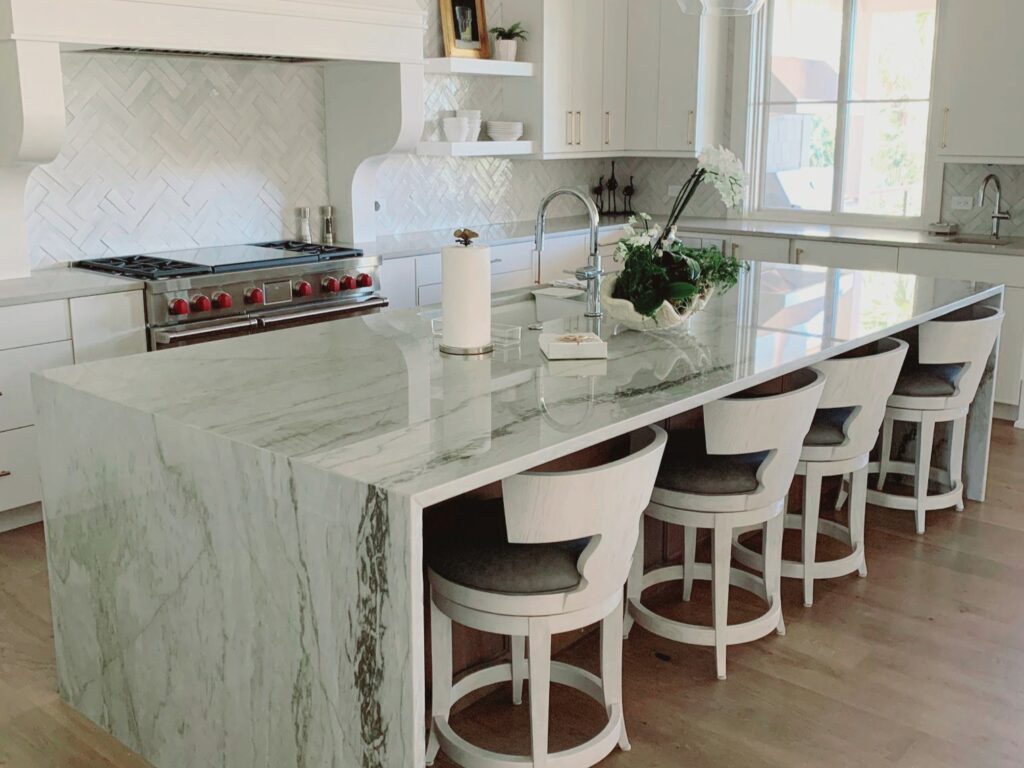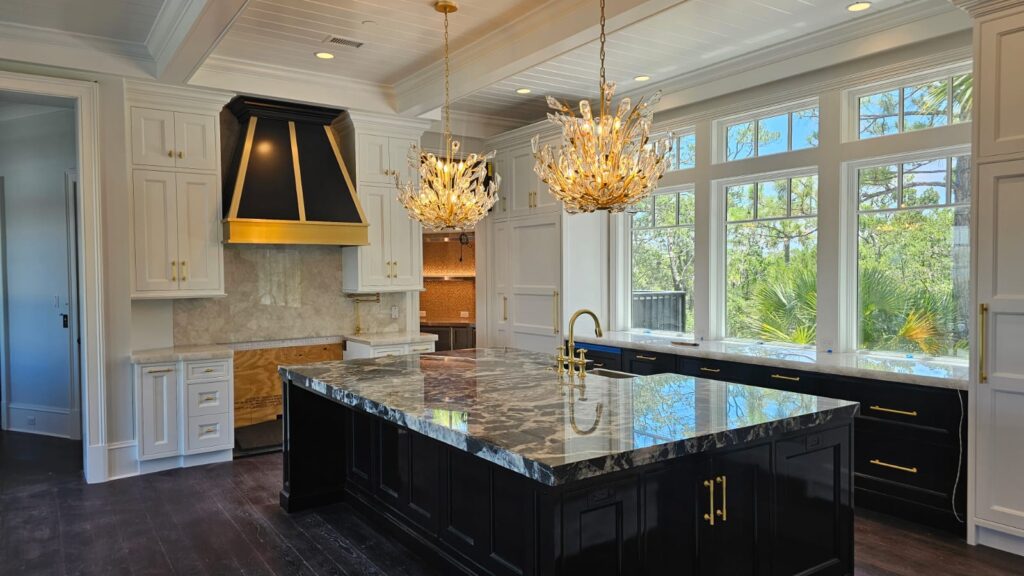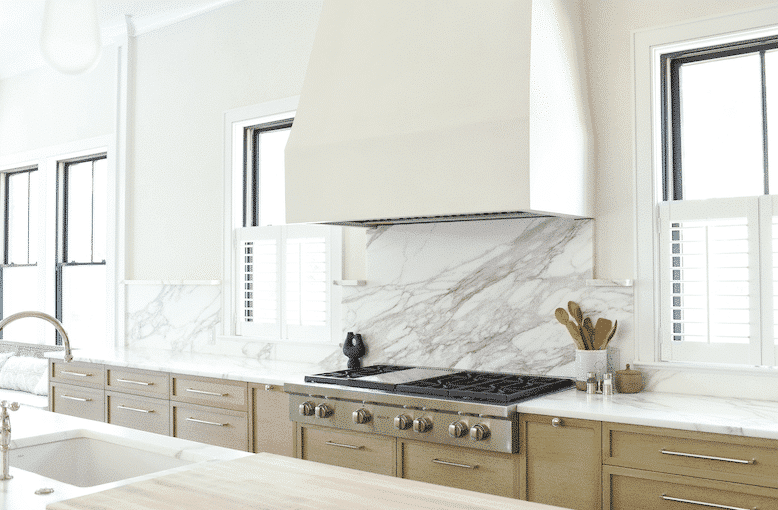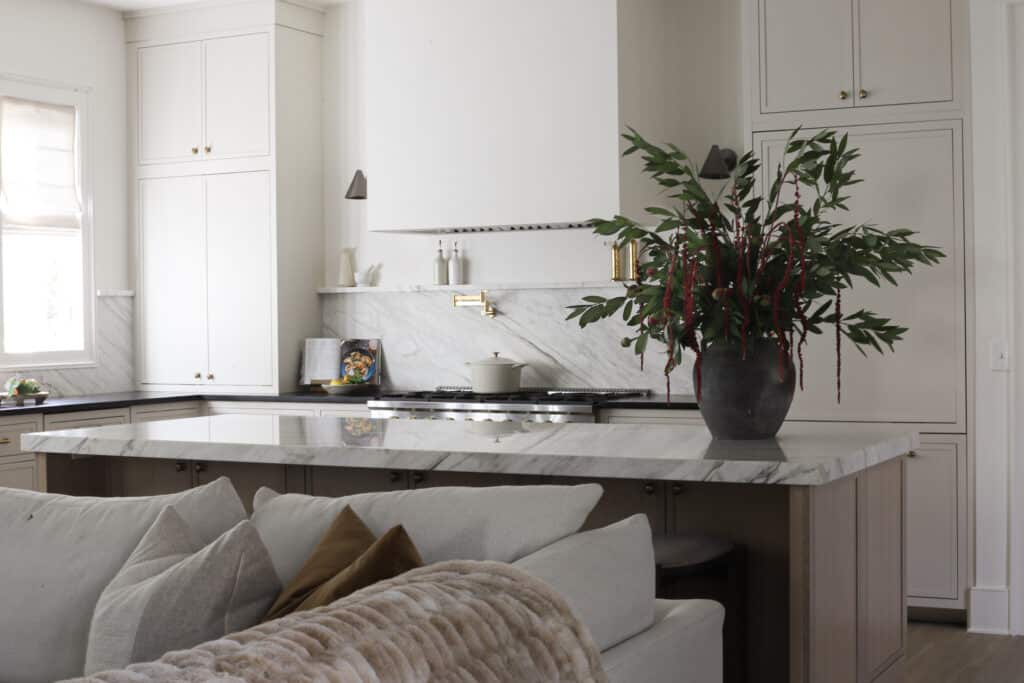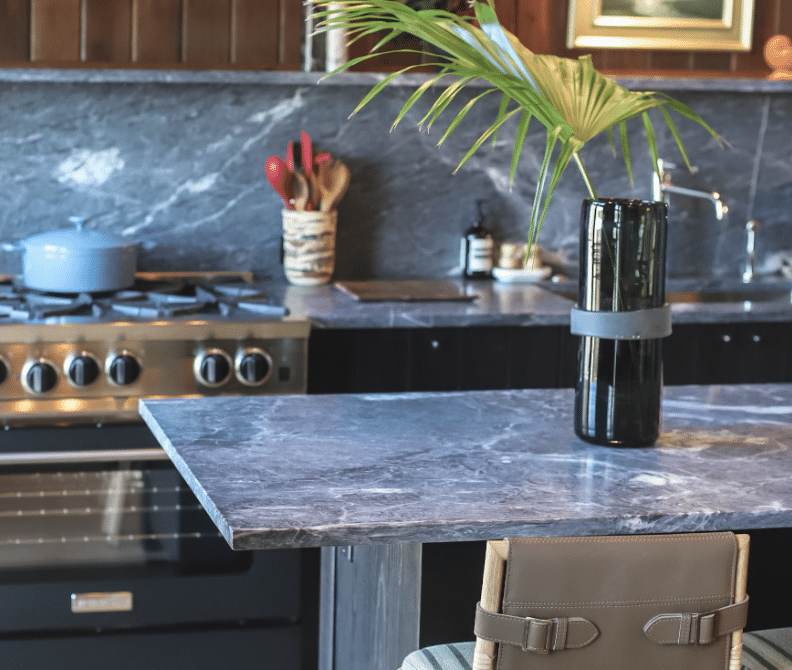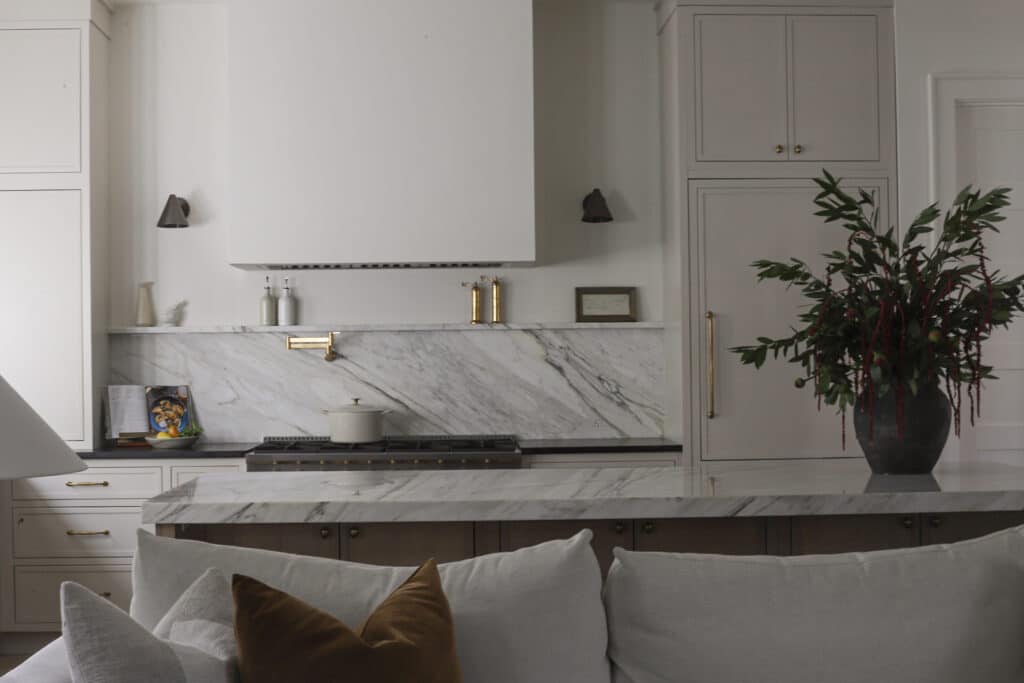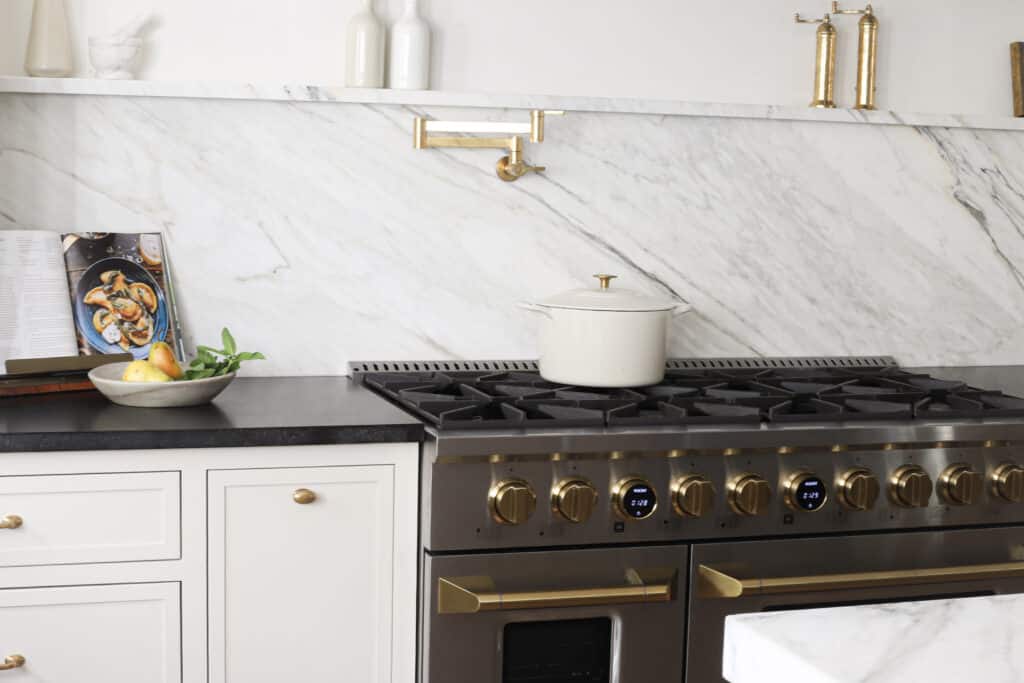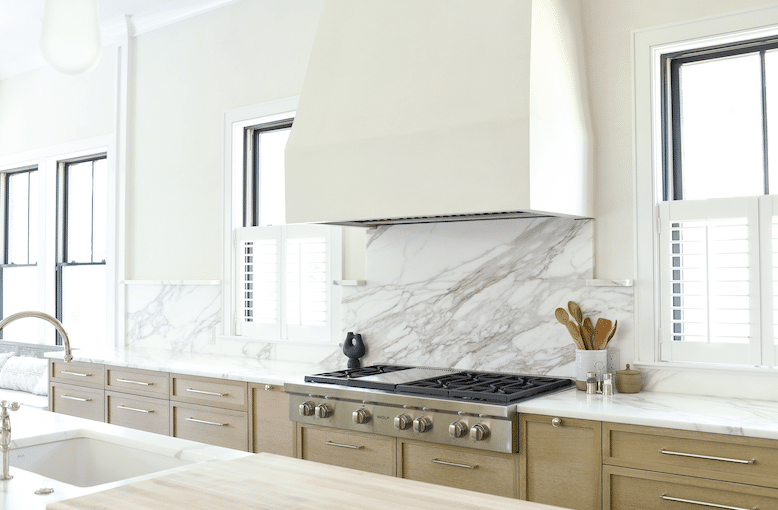

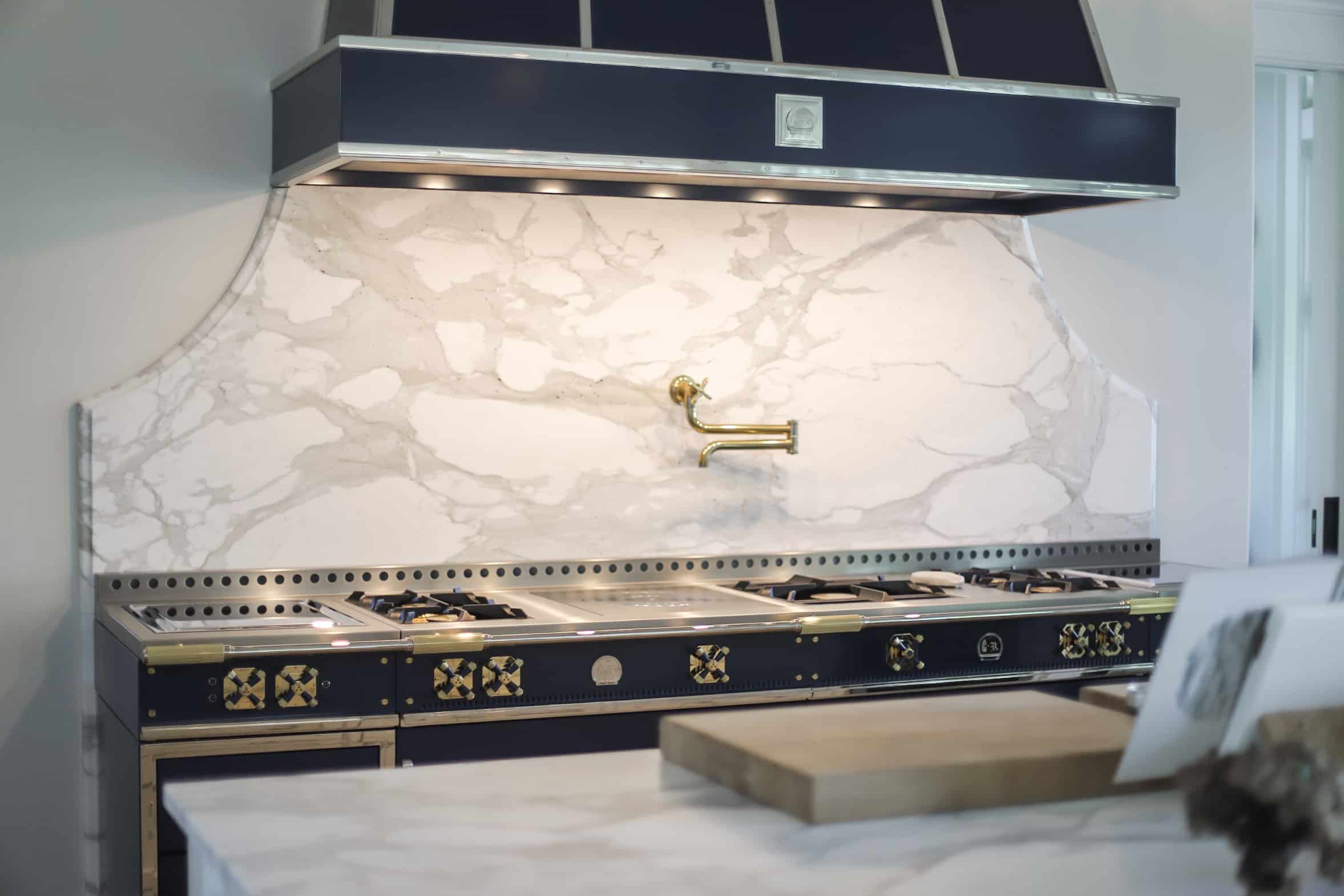
The quick answer for quartz vs granite countertops in Charleston is this: Granite is the better option if you’re looking for a surface that has a natural one-of-a-kind look and requires sealing once a year, while quartz is the better option if you want a surface that is low-maintenance, stain-resistant, and never needs sealing at all. Both will maintain well in our humid coastal climate if they’re installed right, but the one to choose will depend on your lifestyle, your budget, and how much maintenance you are willing to undertake. We’ll explain the details of the differences below so you can make an informed decision when you’re remodeling your kitchen or bath.
Table of Contents
- Quartz vs Granite: The Key Differences at a Glance
- What Is Granite and What Is Quartz?
- Appearance and Color Options
- What Charleston Homeowners Tend to Prefer
- Durability: Which Holds Up Better?
- Maintenance: The Biggest Practical Difference
- How Charleston’s Climate Affects Your Choice
- Cost Comparison for Charleston Homeowners
- Which Adds More Resale Value in Charleston?
- Our Recommendation by Room
- Frequently Asked Questions
- Final Thoughts
Quartz vs Granite: The Key Differences at a Glance
| Factor | Granite | Quartz |
|---|---|---|
| Composition | 100% natural stone | ~93% crushed quartz with resin binders |
| Durability | Very hard, slightly more chip-resistant at edges | Very hard and impact-resistant |
| Maintenance | Annual sealing recommended | No sealing ever required |
| Cost | Mid to high, price varies by slab rarity | Mid to high, more predictable pricing |
| Heat resistance | Excellent, handles direct heat well | Good, but resin can discolor under prolonged high heat |
| Appearance consistency | Unique, varies slab to slab | Highly consistent pattern and color |
| Sealing required | Yes | No |
What Is Granite and What Is Quartz?
Granite: 100% Natural Stone
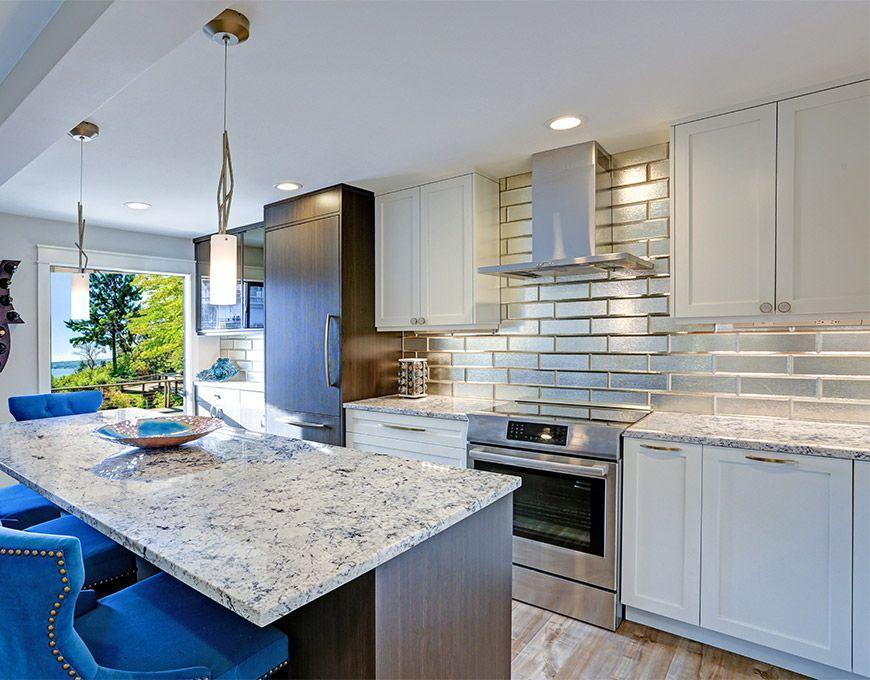
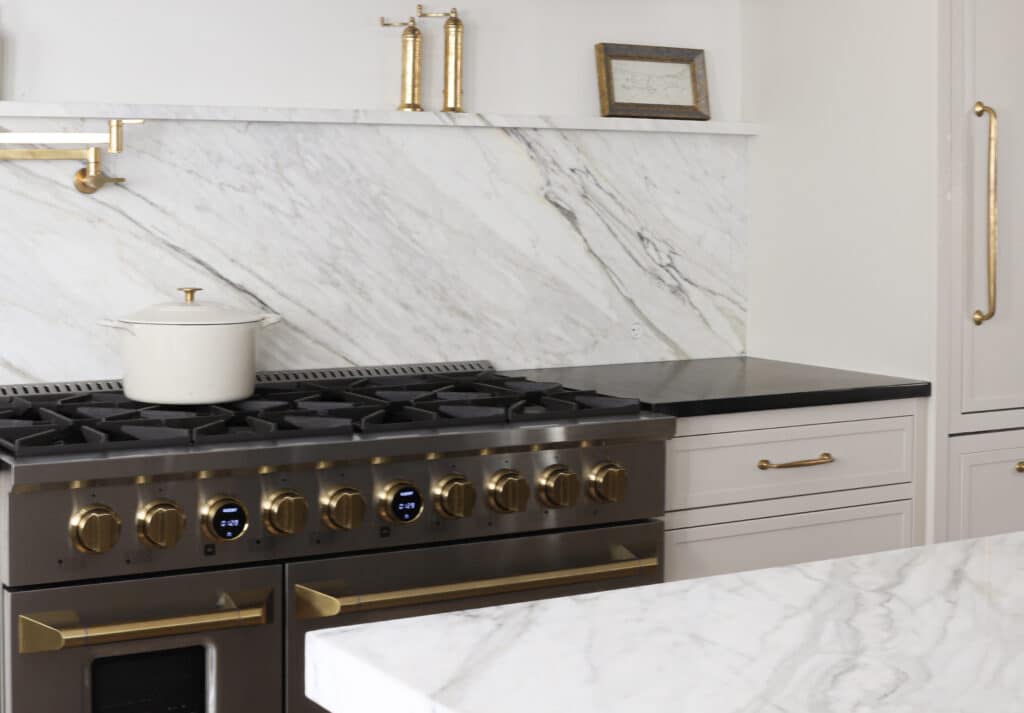
Quarrying is the process of obtaining granite directly from the earth. It is created when the magma cools slowly underground, and minerals such as quartz, feldspar, and mica crystallize together over thousands of years. This natural process makes it so that granite slabs are never the same. Their flecks, swirls, and veining give each one its own unique look, which is part of what makes them so popular. Opt for granite countertops, and you are introducing an authentic chunk of earth into your house.
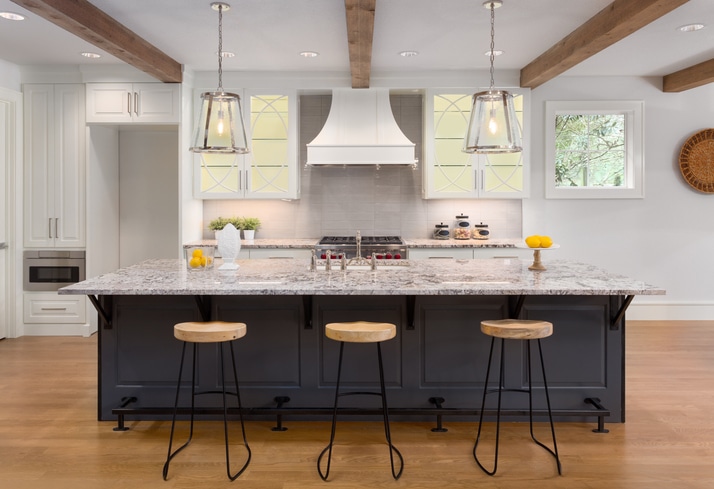
The Marble Institute of America notes that granite is one of the hardest natural stones available for countertop use, making it a reliable long-term investment for any home.
Quartz: Engineered Stone
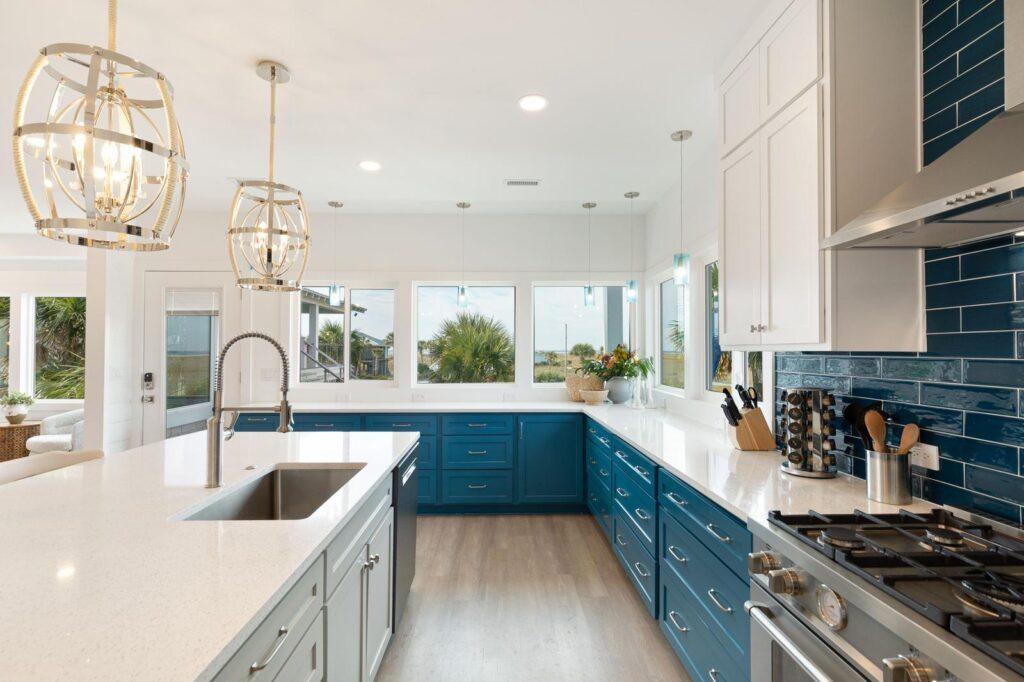
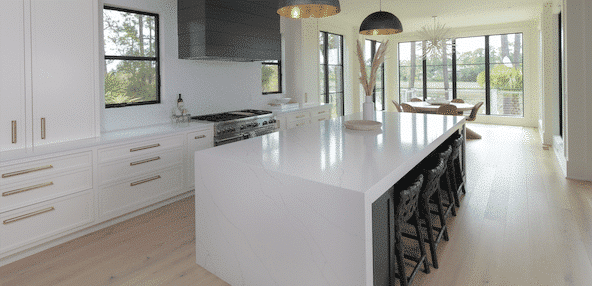
Quartz countertops, unlike granite, are man-made and not extracted from the earth as a whole slab. About 93 percent of the crushed natural quartz is mixed with resin binders and pigments, and then compressed into slabs. The manufacturing process results in a much more consistent and predictable look of quartz countertops from slab to slab, making it easier to plan a kitchen design around. It also indicates that the color and pattern you spot in the showroom will be very similar to the one you’ll have in your house.
Appearance and Color Options
Granite: Natural Variation
Granite is most appealing because of its uniqueness. The light reflects off the mineral flecks, and the veining may vary greatly from one edge of the slab to the other. Granite is a reliable choice for a countertop, and when it comes to countertops that stand out among the rest, granite is the go-to option.
Quartz: Consistent Patterns and a Wider Color Range
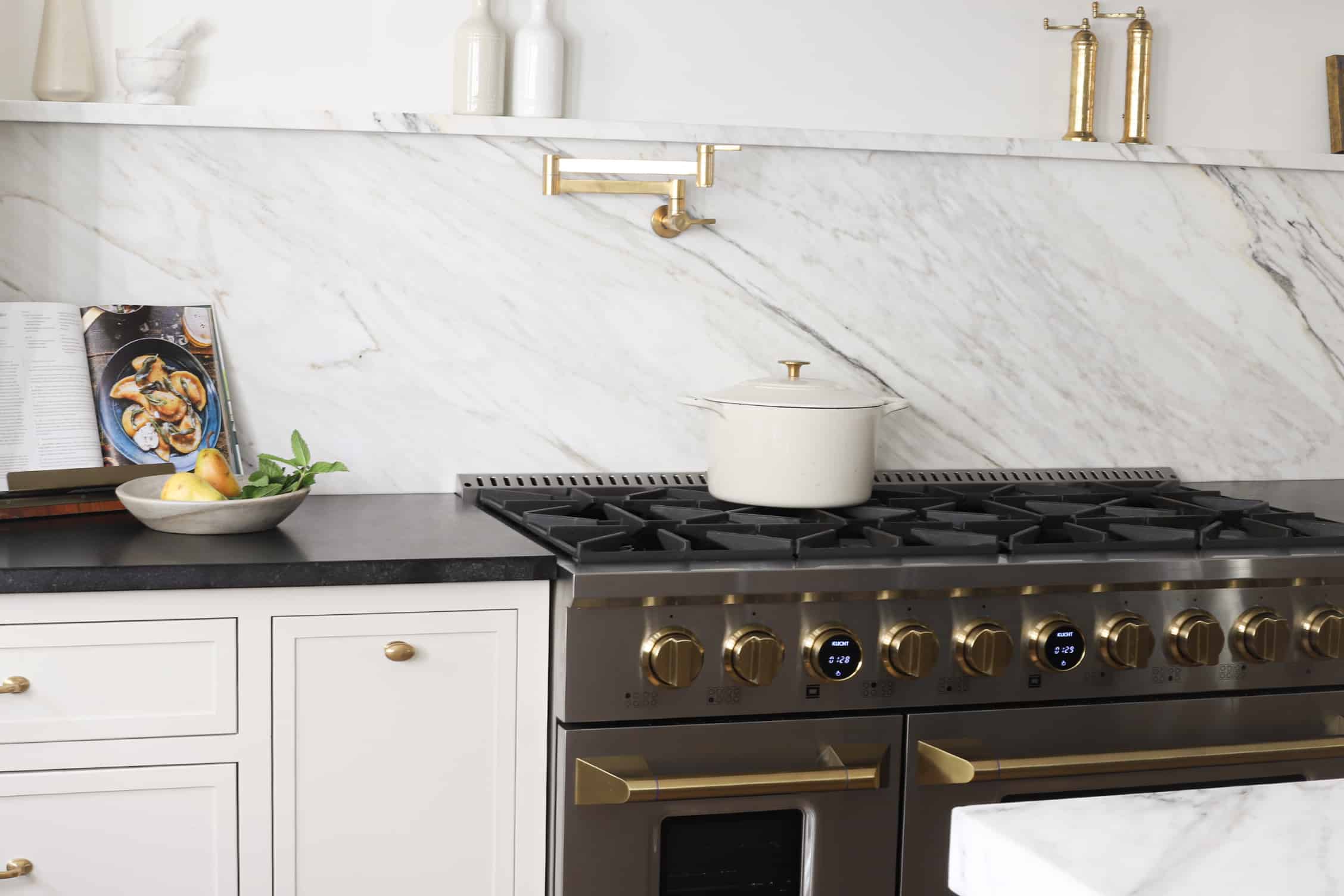
Since quartz is a manufactured product, it is available in a wide variety of colors, even a wider variety than granite, which is found in its natural state, such as a range of pure whites, deep blacks, and even blues and greens that do not naturally exist in granite. Patterns repeat regularly, so it’s much easier to match cabinetry, flooring, and backsplash tile without surprises.
What Charleston Homeowners Tend to Prefer
We’ve seen a trend in fabricating and installing countertops in the Lowcountry for over 30 years. When it comes to renovating historic downtown Charleston homes and Sullivan’s Island cottages, homeowners tend to be drawn to granite for its natural but warm appearance that blends seamlessly with older designs. Meanwhile, new construction home buyers around Mount Pleasant, Daniel Island, and the surrounding suburbs are attracted to the uniformity, cleanliness, and easy maintenance of quartz.
Durability: Which Holds Up Better?
They are both designed to withstand the rigors of the bustling kitchen and can both be relied upon to service a family for many years. However, there are a couple of significant differences to understand.
Granite rates around 6 to 7 on the Mohs scale of hardness, comparable to engineered quartz, and makes it less prone to chipping around edges and corners. Perfect for heavy-use households that prepare lots of food in cast iron and heavy pots.
Quartz, however, is non-porous right out of the factory. This means bacteria and liquids cannot work into the surface, so there is no risk of staining or harboring germs even without sealing. In a kitchen, this is very important for food safety and easy to clean, and this is a significant benefit.
Granite does have one advantage in this respect, as it is more heat resistant than quartz slabs. Granite is also a pure stone, which means it won’t be damaged by placing a hot pan on it. Quartz has resin in it, and when exposed to high heat over a period of time, it can discolor or scorch, so use a trivet or hot pad with quartz countertops.
Maintenance: The Biggest Practical Difference
If there’s one factor that tips the scales for most of our Charleston customers, it’s maintenance.
Granite is porous and should be sealed to protect the stone from liquids such as wine, oil, and citrus juices. Most standard sealants must be replaced annually; some high-quality sealants can be every three years. If this is not done, the granite can stain, and bacteria will grow in the pores.
There is no need to seal Quartz. With a simple wipe down using soap and water, it can keep its look and feel new. This one thing makes quartz the No. 1 material that people want at Eugene’s Marble & Granite during the last few years. This is a great deal for busy families and second home owners in particular who don’t want to add an additional daily upkeep chore to their calendar.
How Charleston’s Climate Affects Your Choice
This is where local knowledge comes into play, and this is one thing that most countertop guides won’t discuss because it’s not written specifically for the Lowcountry.
Charleston is located in a humid subtropical climate and has a high level of humidity throughout the year. For granite that has not been sealed and for granite that has not been sealed properly, that moisture in the air has somewhere to go: into the pores of the stone. This can create a very faint stain over time and, in extreme instances, can encourage mold or mildew to grow in the seams and grout lines around the sink and backsplash. This is commonly noticed in older homes on the peninsula where a countertop was installed years ago, and it was never resealed.
Another uniqueness of this region is our sea breeze. Homes in areas adjacent to water are usually subjected to much more aggressive air conditioning and dehumidification cycles, which can accelerate the drying of sealants in comparison to drier inland climates. Granite owners in places such as Isle of Palms, Folly Beach, and Mount Pleasant must be particularly diligent about their resealing schedule, and should regularly inspect the surface every 12 months, instead of continuing to wait longer than that to seal it because it may be expected to do the same as it is further inland.
Quartz avoids all of this. Charleston’s humidity and salt air do not have any impact on how quartz performs, thanks to its non-porous design. This is a real plus for waterfront properties, rental homes, or anyone who wants one less thing to worry about when preparing for hurricane season.
Cost Comparison for Charleston Homeowners
The cost of the stone or quartz line used, the size of the job, and how complicated the edge work or cutouts are depend on the price. Granite and quartz typically fall somewhere in the middle range of the price spectrum when it comes to the costs per square foot in place, but granite prices can vary significantly, as the rarer granite slabs with amazing veining can be more expensive. Quartz prices are generally more consistent because it is made in a uniform manner, so homeowners with a set amount to spend on the remodel may find it easier to budget. As with any other product, square footage, seams, and edge profiles will have a greater impact on the final number than the base material.
For a full breakdown of countertop pricing by material, see our guide to countertop costs in Charleston.
Which Adds More Resale Value in Charleston?
Both materials qualify as top-dollar upgrades in the eyes of the local real estate agents and appraisers, and either will make a kitchen an appealing offering to potential buyers. Granite is a highly effective choice for buyers who are considering historic and traditional style residences, in which natural stone seems to be a good match for the style. Quartz is typically found to be a more attractive choice to buyers who are looking at newer construction and renovation projects that have a more modern look to them. This decision won’t negatively impact resale value either, so it may be a matter of personal taste and whether the material blends in with the rest of the home’s style rather than which one buyers might like on a theoretical level.
The National Kitchen and Bath Association (NKBA) consistently ranks stone countertops as one of the top kitchen upgrades that improve home resale value.
Our Recommendation by Room
In a main kitchen where lots of food is prepared daily, or a family with young children, or anyone who wants the least amount of upkeep, we normally suggest quartz. If you’re looking to have one-of-a-kind natural veining for your kitchen, and you’re okay with yearly sealing, granite is a great option. The non-porous surface is an easy sell in bathrooms, where being exposed to heat is at low risk and moisture is a bigger day-to-day problem.
For more help choosing the right material for your kitchen countertops in Charleston, our team is always available to bring samples to your home.
Frequently Asked Questions
Does Charleston’s humidity ruin granite countertops?
No, not if properly sealed and resealed on schedule. Problems only arise when sealing is skipped for several years.
Can quartz go outdoors on a Charleston patio kitchen?
Unless we can avoid it, we don’t recommend it. The resin may fade or discolor over time with long exposure to direct sunlight, and a UV-stable outdoor material is more suitable for outdoor kitchens than granite.
Which material is better for resisting mold in a humid climate?
Due to its non-porous surface, quartz is able to resist stains and damage from liquids and food. Granite can also be made mold-resistant if carefully sealed, but requires consistent maintenance in this climate.
Final Thoughts
The quartz vs granite countertops Charleston question doesn’t have a definitive answer. Both materials are beautiful, durable, and can last for decades in a Lowcountry home if fabricated and installed properly. Granite is for those homeowners who enjoy the natural variations and are okay with a regular annual sealing routine, while quartz is for those homeowners who wish to have the lowest-maintenance surface in this humid climate. Since 1995, Eugene’s Marble & Granite has been helping local Charlestonians select and install the best countertop for their home, and we’re happy to bring our slab and quartz samples to your home to show you and feel the difference before deciding.
About the Author
By the team at Eugene’s Marble & Granite: Charleston’s countertop fabricators and installers since 1995. With over 30 years of experience and more than 10,000 kitchens installed across the Lowcountry, we’ve helped thousands of Charleston homeowners find the right stone for their home. We fabricate and install granite countertops, quartz countertops, marble, quartzite, and more. Visit our project gallery or request a free estimate today.
Ready to see quartz and granite side by side in person? Contact us today or request your free estimate at Eugene’s Marble & Granite in Charleston, SC.